
Unity Catalog Volumes
Unity Catalog Volumes - Volumes are the third level in unity catalog’s hierarchical structure (catalog > schema > volume). To interact with files in a volume, do the following: You can use unity catalog volumes or external locations to access data in cloud object storage. Catalog explorer provides options for common file management tasks for files stored with unity catalog volumes. To interact with files in a volume, do the following: Volumes represent a logical volume of storage in a cloud object storage location. Unity catalog adds new options for configuring secure access to raw data. Volumes provide capabilities for accessing, storing, governing,. There are two types of volumes: Search or browse for the schema that you want to add the volume to and select it. There are two types of volumes: Volumes represent a logical volume of storage in a cloud object storage location. Volumes are unity catalog objects representing a logical volume of storage in a cloud object storage location. Catalog explorer provides options for common file management tasks for files stored with unity catalog volumes. To create a volume in catalog explorer: To interact with files in a volume, do the following: This includes attaching a storage account and enabling both managed and. Unity catalog (uc) is the foundation for all governance and management of data objects in databricks data intelligence platform. Click new > add data. To interact with files in a volume, do the following: Search or browse for the schema that you want to add the volume to and select it. This includes attaching a storage account and enabling both managed and. Created within the default storage location of the containing schema. Volumes are unity catalog objects representing a logical volume of storage in a cloud object storage location. Volumes can be either managed,. You can access volumes using the same path regardless of the. There are two types of volumes: This article contains syntax examples for creating, managing, and dropping. Volumes are the third level in unity catalog’s hierarchical structure (catalog > schema > volume). Volumes provide capabilities for accessing, storing, governing,. Volumes provide capabilities for accessing, storing, governing, and organizing files. Volumes can be either managed, with unity catalog managing the full lifecycle and layout of the data in storage, or external, with unity catalog managing access to the data. Click new > add data. Created within the default storage location of the containing schema. You can access volumes using the. Click upload files to volume. Volumes can be either managed, with unity catalog managing the full lifecycle and layout of the data in storage, or external, with unity catalog managing access to the data. This includes attaching a storage account and enabling both managed and. Catalog explorer provides options for common file management tasks for files stored with unity catalog. Click upload files to volume. Volumes represent a logical volume of storage in a cloud object storage location. Unity catalog adds new options for configuring secure access to raw data. This includes attaching a storage account and enabling both managed and. To interact with files in a volume, do the following: Volumes provide capabilities for accessing, storing, governing,. To interact with files in a volume, do the following: This includes attaching a storage account and enabling both managed and. To interact with files in a volume, do the following: Volumes are unity catalog objects representing a logical volume of storage in a cloud object storage location. For instructions on uploading, managing, or working with files in volumes,. Created within the default storage location of the containing schema. Volumes can be either managed, with unity catalog managing the full lifecycle and layout of the data in storage, or external, with unity catalog managing access to the data. Since its launch several years ago unity catalog has. Volumes. To upload files to a unity catalog volume, do the following: Volumes represent a logical volume of storage in a cloud object storage location. Unity catalog (uc) is the foundation for all governance and management of data objects in databricks data intelligence platform. To interact with files in a volume, do the following: Volumes represent a logical volume of storage. Volumes represent a logical volume of storage in a cloud object storage location. For instructions on uploading, managing, or working with files in volumes,. To upload files to a unity catalog volume, do the following: Volumes are unity catalog objects representing a logical volume of storage in a cloud object storage location. In your azure databricks workspace, click catalog. Unity catalog adds new options for configuring secure access to raw data. To interact with files in a volume, do the following: Unity catalog (uc) is the foundation for all governance and management of data objects in databricks data intelligence platform. Volumes represent a logical volume of storage in a cloud object storage location. To interact with files in a. In your azure databricks workspace, click catalog. Volumes are unity catalog objects representing a logical volume of storage in a cloud object storage location. Since its launch several years ago unity catalog has. Unity catalog (uc) is the foundation for all governance and management of data objects in databricks data intelligence platform. Volumes represent a logical volume of storage in a cloud object storage location. Created within the default storage location of the containing schema. Volumes provide capabilities for accessing, storing, governing,. Volumes are unity catalog objects representing a logical volume of storage in a cloud object storage location. To interact with files in a volume, do the following: Click upload files to volume. To create a volume in catalog explorer: You can access volumes using the same path regardless of the. Catalog explorer provides options for common file management tasks for files stored with unity catalog volumes. To interact with files in a volume, do the following: Catalog explorer provides options for common file management tasks for files stored with unity catalog volumes. There are two types of volumes: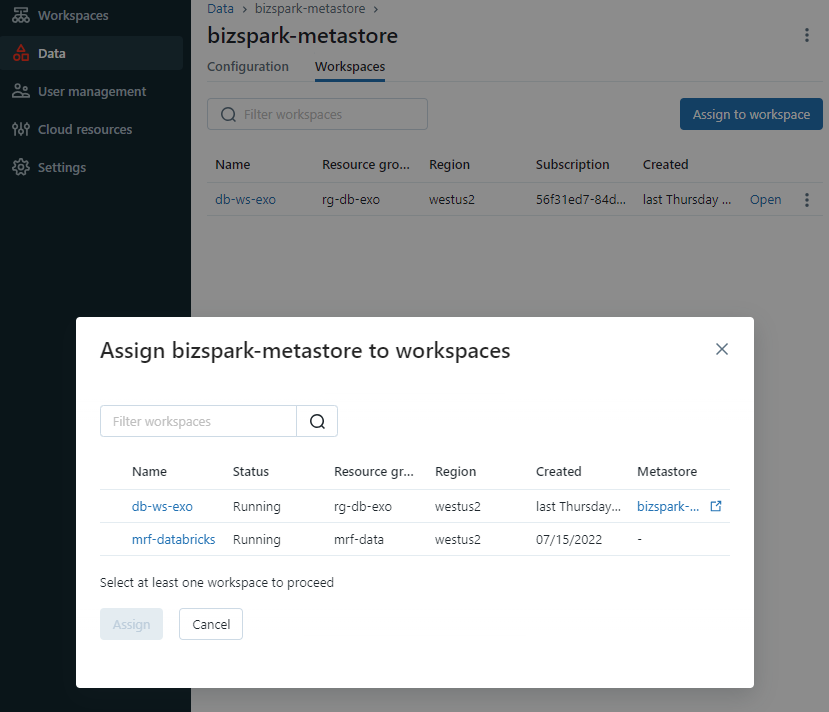
How to Create Unity Catalog Volumes in Azure Databricks
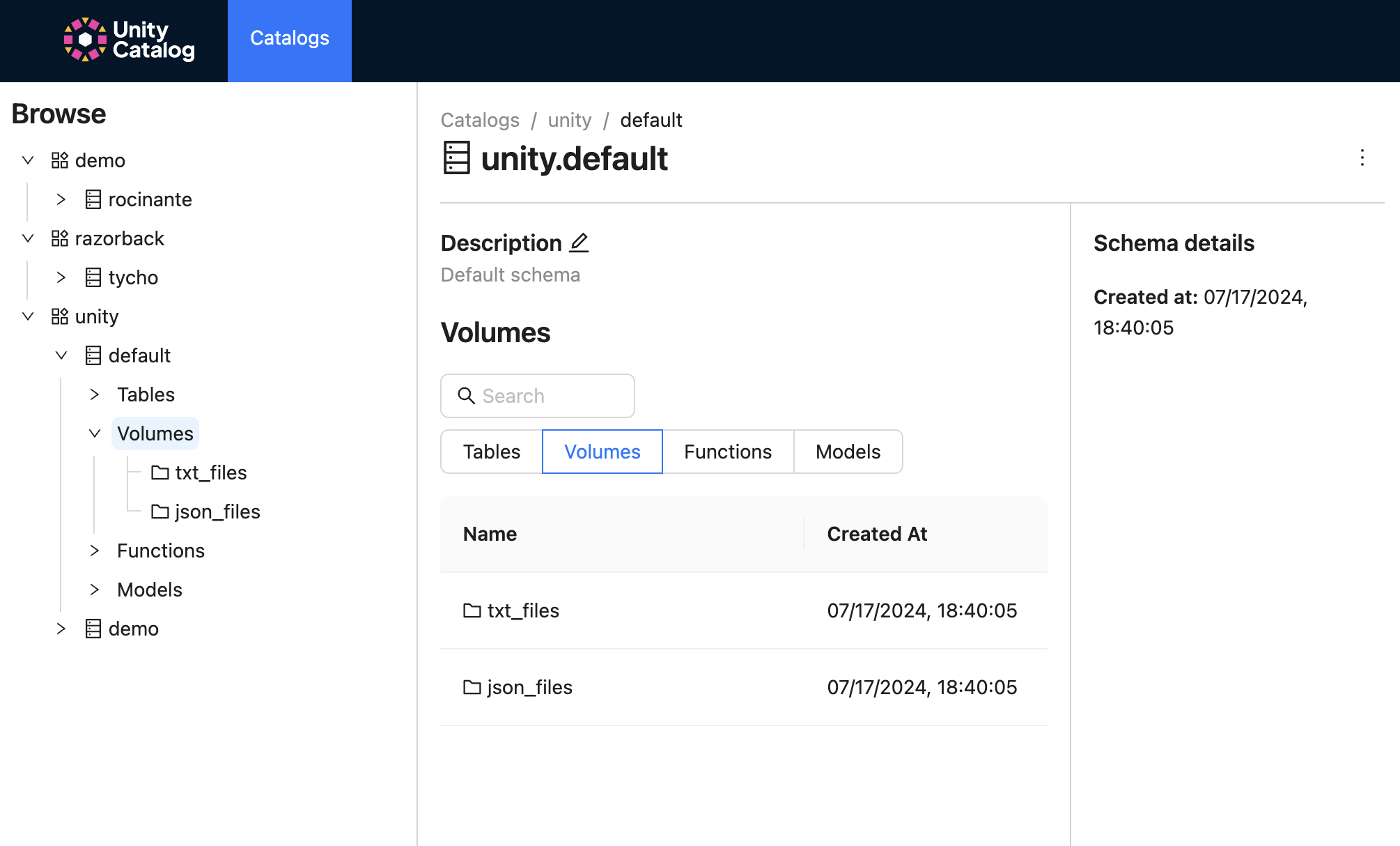
UI Unity Catalog
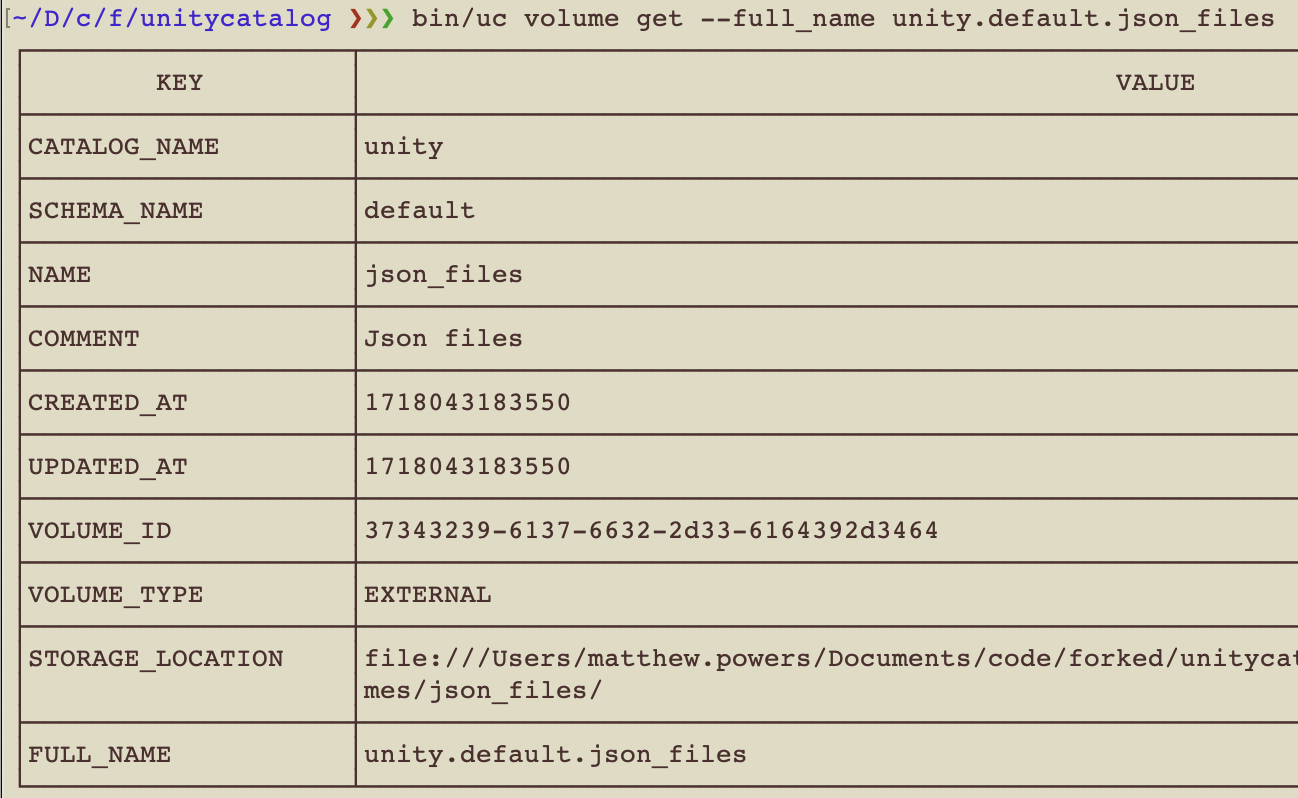
Volumes Unity Catalog
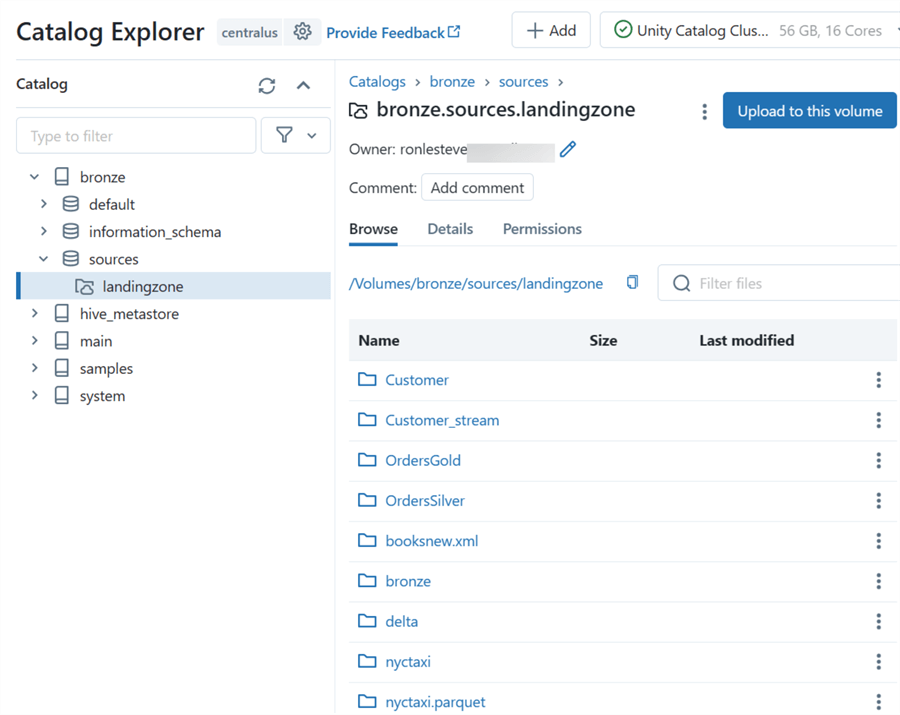
Databricks Unity Catalog and Volumes StepbyStep Guide
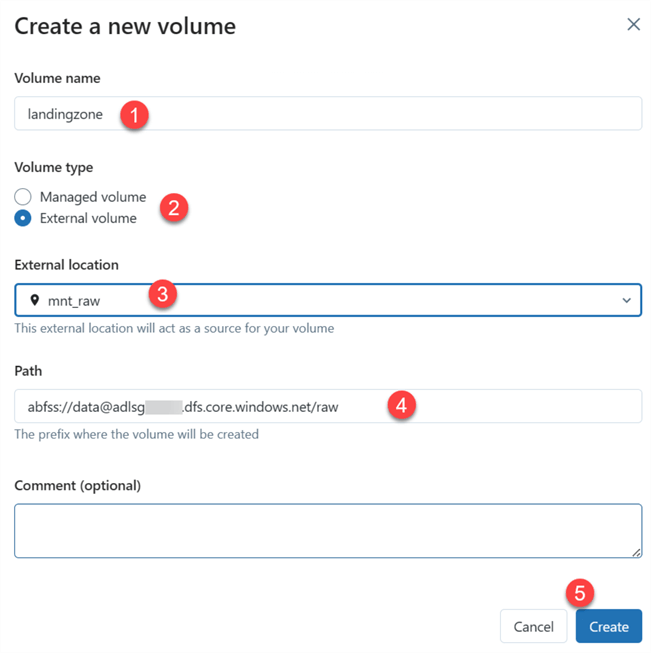
Databricks Unity Catalog and Volumes StepbyStep Guide
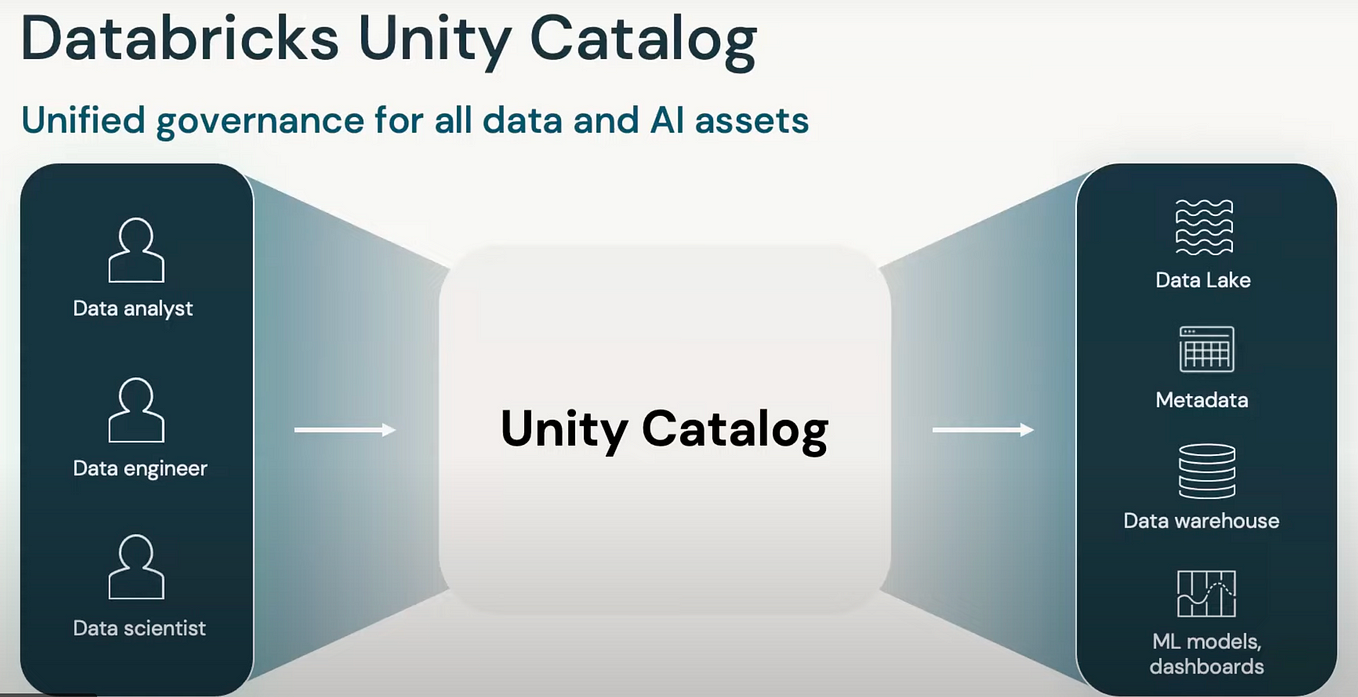
Unity Catalog Volumes. Unity Catalog Volumes, the latest… by Sharath
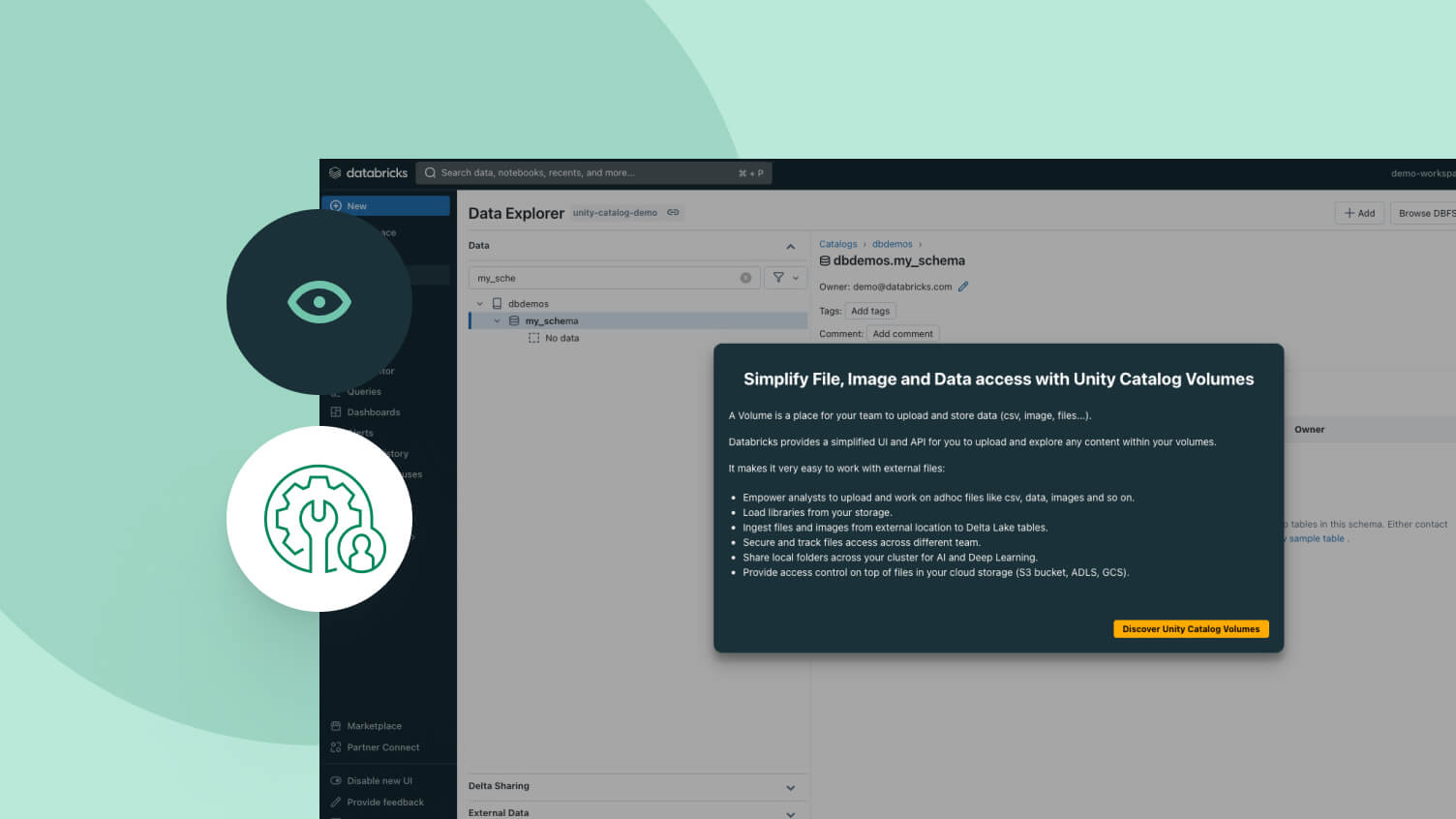
Unity Catalog Volumes Databricks
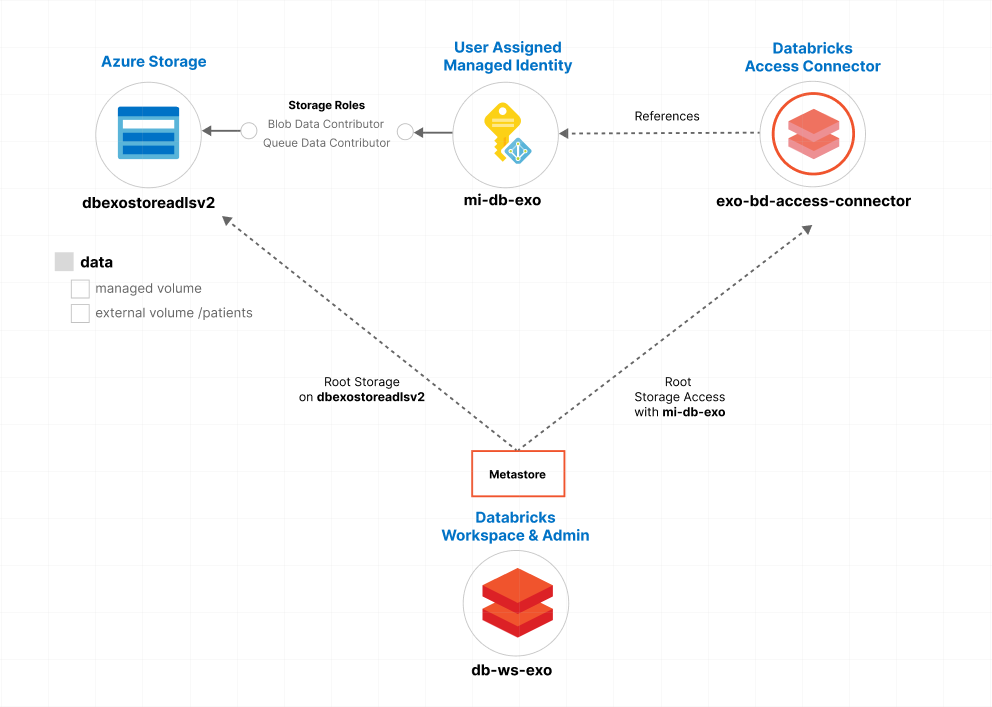
How to Create Unity Catalog Volumes in Azure Databricks
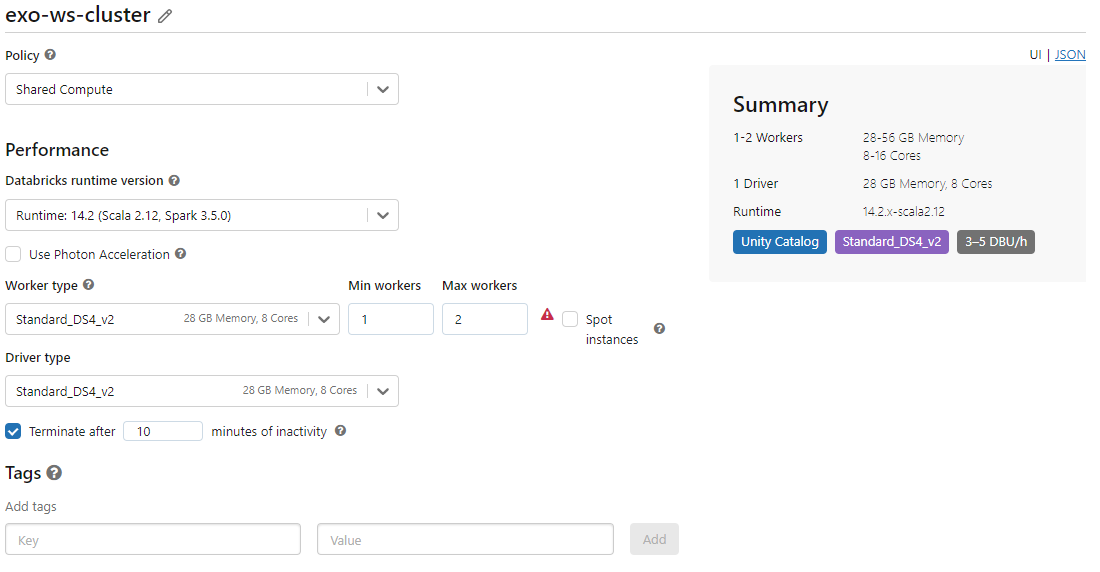
How to Create Unity Catalog Volumes in Azure Databricks
Unity Catalog Volumes. Unity Catalog Volumes, the latest… by Sharath
Search Or Browse For The Schema That You Want To Add The Volume To And Select It.
Volumes Can Be Either Managed, With Unity Catalog Managing The Full Lifecycle And Layout Of The Data In Storage, Or External, With Unity Catalog Managing Access To The Data.
Select A Volume Or A Directory Inside A Volume, Or Paste A Volume.
Volumes Provide Capabilities For Accessing, Storing, Governing,.
Related Post: