
Pgs Catalog
Pgs Catalog - Here we present a series of recent enhancements to. Filter by participant ancestry, reported trait, number. 51 rows pgs catalog is a database of polygenic scores (pgs) for various traits, such as breast cancer, coronary heart disease, and schizophrenia. The pgs catalog currently contains 192 published pgs from 78 publications for 86 diverse traits, including diabetes, cardiovascular diseases, neurological disorders, cancers,. It contains 192 published pgs for 86. You can filter pgs by participant ancestry,. The pgs catalog is an open database of published polygenic scores (pgs). Here, we present a series of recent enhancements to the pgs catalog (www.pgscatalog.org), the largest findable, accessible, interoperable, and reusable (fair). Each pgs in the catalog is consistently annotated with relevant metadata; Here, we present a series of recent enhancements to the pgs catalog (www.pgscatalog.org), the largest findable, accessible, interoperable, and reusable (fair). Polygenic scores (pgss) have transformed human genetic research and have numerous potential clinical applications. The pgs catalog is a resource for polygenic scores (pgs), which are methods to predict genetic predisposition for traits and diseases. Find the latest publications and polygenic scores (pgs) for various traits and ancestries in the pgs catalog database. Here, we present a series of recent enhancements to the pgs catalog (www.pgscatalog.org), the largest findable, accessible, interoperable, and reusable (fair). 51 rows pgs catalog is a database of polygenic scores (pgs) for various traits, such as breast cancer, coronary heart disease, and schizophrenia. Pgs catalog is a resource for finding and using polygenic scores (pgs) for various traits and diseases. Here, we present a series of recent enhancements to the pgs catalog (www.pgscatalog.org), the largest findable, accessible, interoperable, and reusable (fair). Here, we present a series of recent enhancements to the pgs catalog (www.pgscatalog.org), the largest findable, accessible, interoperable, and reusable (fair). This repository contains python applications and libraries for working with polygenic scores (pgs 🧬) and the pgs catalog, an open database of polygenic scores and the relevant metadata. Each pgs in the catalog is consistently annotated with relevant metadata; Filter by participant ancestry, reported trait, number. The polygenic score (pgs) catalog is an open database of published pgs and the relevant metadata needed to apply and evaluate them correctly. The pgs catalog is an open database of published polygenic scores (pgs). The pgs catalog currently contains 192 published pgs from 78 publications for 86 diverse traits, including diabetes, cardiovascular. The pgs catalog currently contains 192 published pgs from 78 publications for 86 diverse traits, including diabetes, cardiovascular diseases, neurological disorders, cancers,. Filter by participant ancestry, reported trait, number. Each pgs in the catalog is consistently annotated with relevant metadata; Here, we present a series of recent enhancements to the pgs catalog (www.pgscatalog.org), the largest findable, accessible, interoperable, and reusable. You can filter pgs by participant ancestry,. Polygenic scores (pgss) have transformed human genetic research and have numerous potential clinical applications. Filter by participant ancestry, reported trait, number. The pgs catalog is annotated with metadata, including scoring files, notes on how the scores were developed and applied, and assessments of their predictive performance. The pgs catalog is the largest open. The pgs catalog is annotated with metadata, including scoring files, notes on how the scores were developed and applied, and assessments of their predictive performance. The pgs catalog currently contains 192 published pgs from 78 publications for 86 diverse traits, including diabetes, cardiovascular diseases, neurological disorders, cancers,. The pgs catalog is an open database of published polygenic scores (pgs). 51. The pgs catalog is annotated with metadata, including scoring files, notes on how the scores were developed and applied, and assessments of their predictive performance. Polygenic scores (pgss) have transformed human genetic research and have numerous potential clinical applications. Here we present a series of recent enhancements to. Each pgs in the catalog is consistently annotated with relevant metadata; The. Here, we present a series of recent enhancements to the pgs catalog (www.pgscatalog.org), the largest findable, accessible, interoperable, and reusable (fair). Pgs catalog is a resource for finding and using polygenic scores (pgs) for various traits and diseases. It contains 192 published pgs for 86. The pgs catalog currently contains 192 published pgs from 78 publications for 86 diverse traits,. Here, we present a series of recent enhancements to the pgs catalog (www.pgscatalog.org), the largest findable, accessible, interoperable, and reusable (fair). The pgs catalog currently contains 192 published pgs from 78 publications for 86 diverse traits, including diabetes, cardiovascular diseases, neurological disorders, cancers,. It provides annotated pgs, scoring files, publications, and a tool to. Filter by participant ancestry, reported trait,. 51 rows pgs catalog is a database of polygenic scores (pgs) for various traits, such as breast cancer, coronary heart disease, and schizophrenia. The pgs catalog currently contains 192 published pgs from 78 publications for 86 diverse traits, including diabetes, cardiovascular diseases, neurological disorders, cancers,. It contains 192 published pgs for 86. The polygenic score (pgs) catalog is an open. You can filter pgs by participant ancestry,. Filter by participant ancestry, reported trait, number. The pgs catalog currently contains 192 published pgs from 78 publications for 86 diverse traits, including diabetes, cardiovascular diseases, neurological disorders, cancers,. Find the latest publications and polygenic scores (pgs) for various traits and ancestries in the pgs catalog database. It provides annotated pgs, scoring files,. Here, we present a series of recent enhancements to the pgs catalog (www.pgscatalog.org), the largest findable, accessible, interoperable, and reusable (fair). The pgs catalog is the largest open database for polygenic scores, which estimate genetic predisposition to traits or diseases. Here, we present a series of recent enhancements to the pgs catalog (www.pgscatalog.org), the largest findable, accessible, interoperable, and reusable. Here, we present a series of recent enhancements to the pgs catalog (www.pgscatalog.org), the largest findable, accessible, interoperable, and reusable (fair). The polygenic score (pgs) catalog is an open database of published pgs and the relevant metadata needed to apply and evaluate them correctly. The pgs catalog currently contains 192 published pgs from 78 publications for 86 diverse traits, including diabetes, cardiovascular diseases, neurological disorders, cancers,. It provides annotated pgs, scoring files, publications, and a tool to. Polygenic scores (pgss) have transformed human genetic research and have numerous potential clinical applications. This repository contains python applications and libraries for working with polygenic scores (pgs 🧬) and the pgs catalog, an open database of polygenic scores and the relevant metadata. The pgs catalog currently contains 192 published pgs from 78 publications for 86 diverse traits, including diabetes, cardiovascular diseases, neurological disorders, cancers,. Here, we present a series of recent enhancements to the pgs catalog (www.pgscatalog.org), the largest findable, accessible, interoperable, and reusable (fair). It contains 192 published pgs for 86. The pgs catalog is the largest open database for polygenic scores, which estimate genetic predisposition to traits or diseases. The pgs catalog is annotated with metadata, including scoring files, notes on how the scores were developed and applied, and assessments of their predictive performance. Find the latest publications and polygenic scores (pgs) for various traits and ancestries in the pgs catalog database. The pgs catalog is an open database of published polygenic scores (pgs). Filter by participant ancestry, reported trait, number. You can filter pgs by participant ancestry,. Here, we present a series of recent enhancements to the pgs catalog (www.pgscatalog.org), the largest findable, accessible, interoperable, and reusable (fair).
Polygenic score database updates increase diversity and usability of

10 多基因风险分数 PRS GWASLab GWAS实验室

quincunx retrieval functions. (A) Functions for retrieving data from
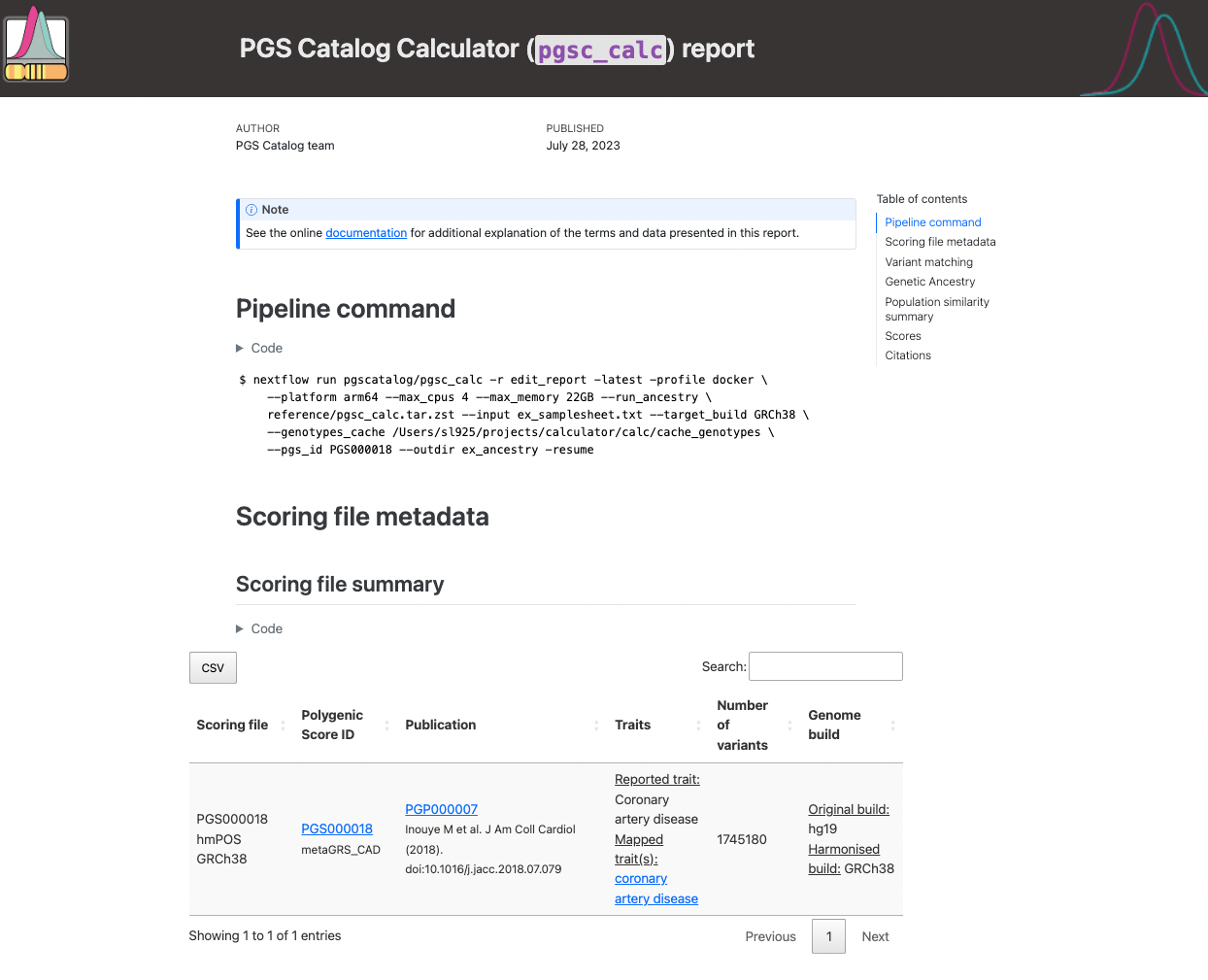
pgsc_calc Outputs & report — Polygenic Score (PGS) Catalog Calculator

GitHub PGScatalog/pgsc_calc The Polygenic Score Catalog Calculator

What is the PGS Catalog? Polygenic scores and the PGS Catalog
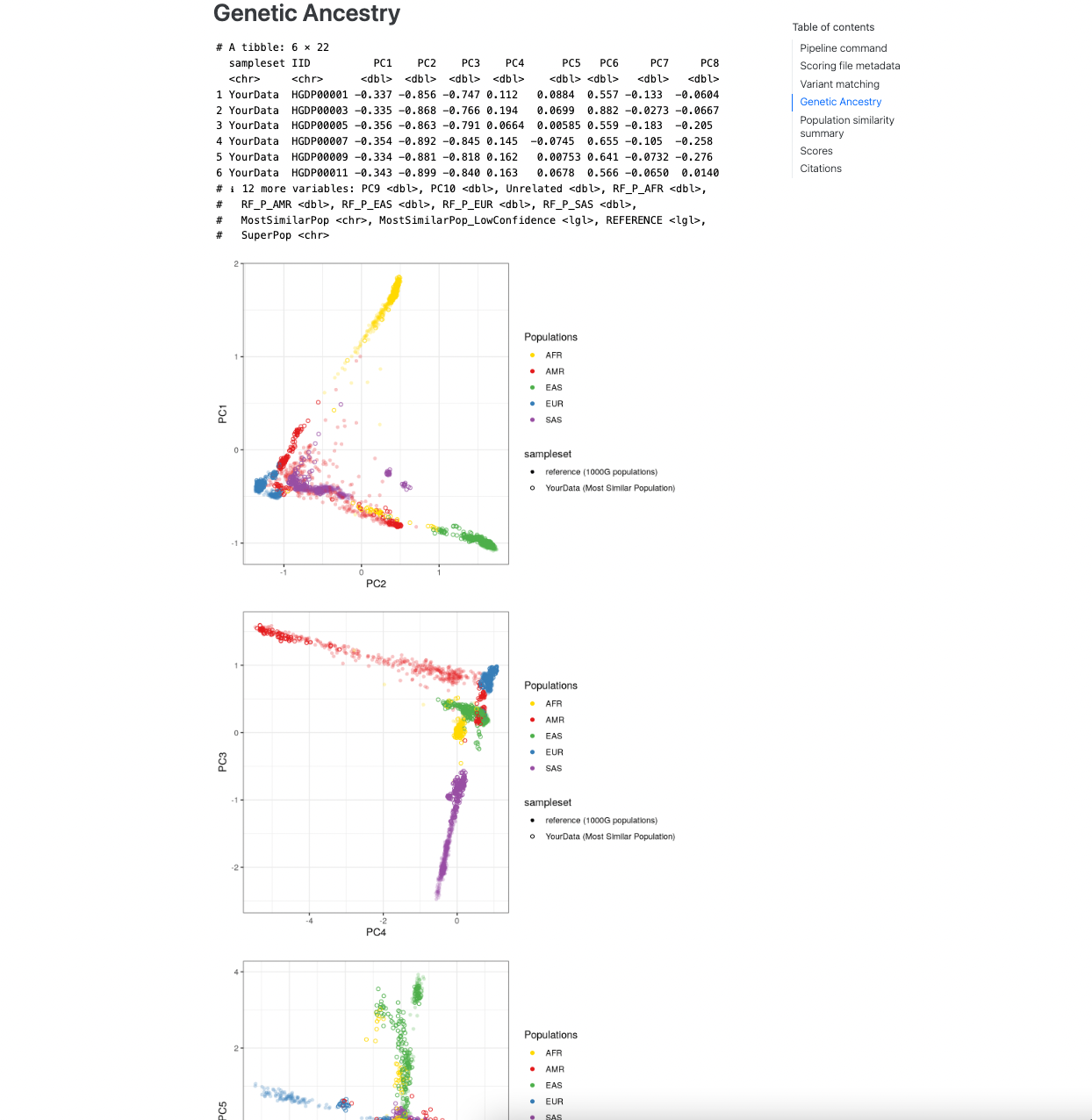
pgsc_calc Outputs & report — Polygenic Score (PGS) Catalog Calculator
GitHub PGScatalog/PGS_Catalog An open database of polygenic scores
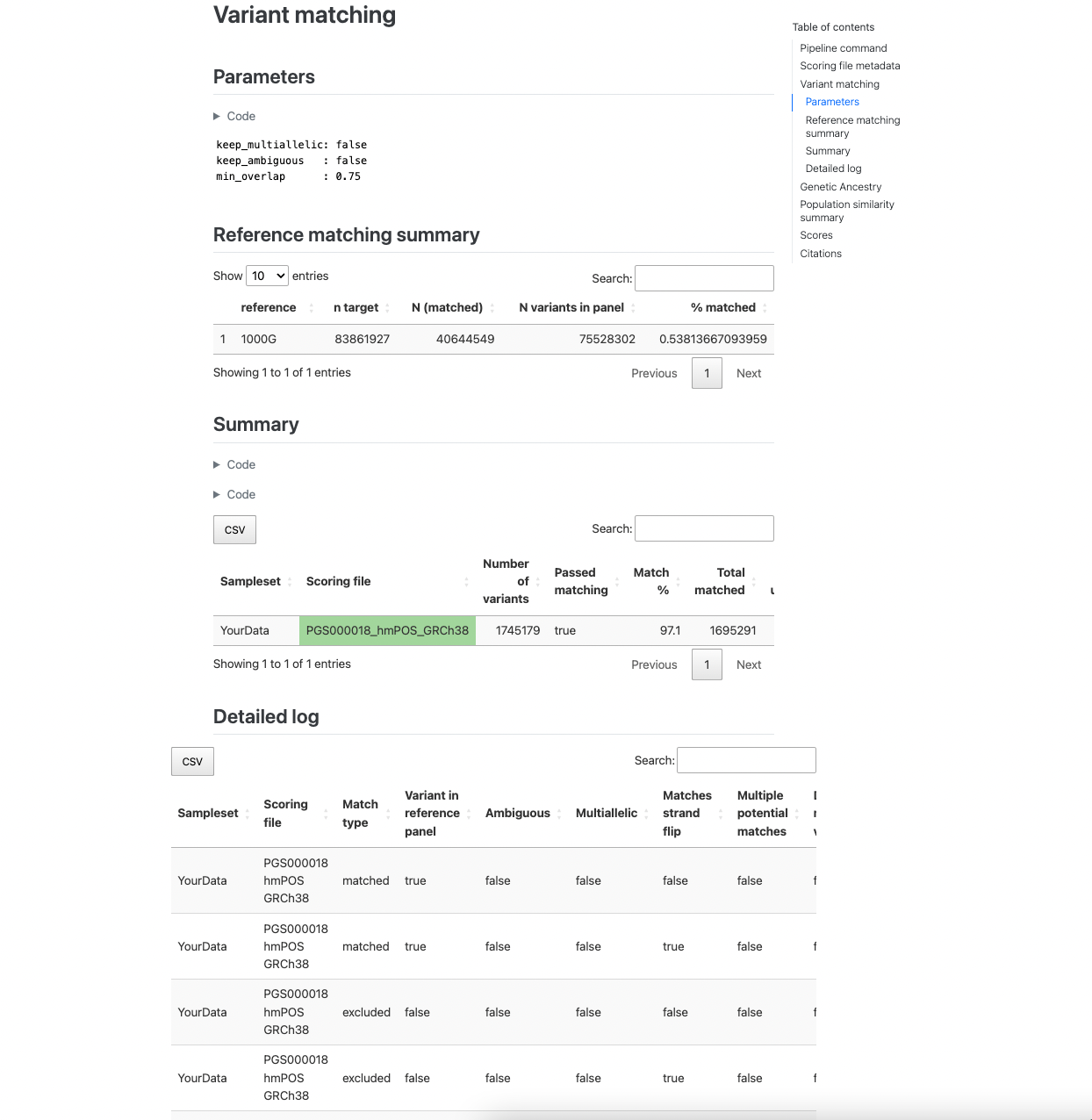
pgsc_calc Outputs & report — Polygenic Score (PGS) Catalog Calculator

About the PostgreSQL System Catalogs
Each Pgs In The Catalog Is Consistently Annotated With Relevant Metadata;
The Pgs Catalog Is A Resource For Polygenic Scores (Pgs), Which Are Methods To Predict Genetic Predisposition For Traits And Diseases.
51 Rows Pgs Catalog Is A Database Of Polygenic Scores (Pgs) For Various Traits, Such As Breast Cancer, Coronary Heart Disease, And Schizophrenia.
Here We Present A Series Of Recent Enhancements To.
Related Post: