
Iceberg Catalog
Iceberg Catalog - The catalog table apis accept a table identifier, which is fully classified table name. Discover what an iceberg catalog is, its role, different types, challenges, and how to choose and configure the right catalog. An iceberg catalog is a metastore used to manage and track changes to a collection of iceberg tables. Iceberg catalogs are flexible and can be implemented using almost any backend system. To use iceberg in spark, first configure spark catalogs. In iceberg, the catalog serves as a crucial component for discovering and managing iceberg tables, as detailed in our overview here. Metadata tables, like history and snapshots, can use the iceberg table name as a namespace. They can be plugged into any iceberg runtime, and allow any processing engine that supports iceberg to load. Clients use a standard rest api interface to communicate with the catalog and to create, update and delete tables. Read on to learn more. Metadata tables, like history and snapshots, can use the iceberg table name as a namespace. An iceberg catalog is a metastore used to manage and track changes to a collection of iceberg tables. In iceberg, the catalog serves as a crucial component for discovering and managing iceberg tables, as detailed in our overview here. The catalog table apis accept a table identifier, which is fully classified table name. The apache iceberg data catalog serves as the central repository for managing metadata related to iceberg tables. Directly query data stored in iceberg without the need to manually create tables. It helps track table names, schemas, and historical. Iceberg catalogs can use any backend store like. Its primary function involves tracking and atomically. They can be plugged into any iceberg runtime, and allow any processing engine that supports iceberg to load. Metadata tables, like history and snapshots, can use the iceberg table name as a namespace. An iceberg catalog is a type of external catalog that is supported by starrocks from v2.4 onwards. Directly query data stored in iceberg without the need to manually create tables. Read on to learn more. Discover what an iceberg catalog is, its role, different types,. With iceberg catalogs, you can: They can be plugged into any iceberg runtime, and allow any processing engine that supports iceberg to load. Discover what an iceberg catalog is, its role, different types, challenges, and how to choose and configure the right catalog. Directly query data stored in iceberg without the need to manually create tables. An iceberg catalog is. With iceberg catalogs, you can: They can be plugged into any iceberg runtime, and allow any processing engine that supports iceberg to load. Iceberg uses apache spark's datasourcev2 api for data source and catalog implementations. It helps track table names, schemas, and historical. Discover what an iceberg catalog is, its role, different types, challenges, and how to choose and configure. The catalog table apis accept a table identifier, which is fully classified table name. Iceberg catalogs are flexible and can be implemented using almost any backend system. Directly query data stored in iceberg without the need to manually create tables. Iceberg uses apache spark's datasourcev2 api for data source and catalog implementations. With iceberg catalogs, you can: Iceberg catalogs are flexible and can be implemented using almost any backend system. In iceberg, the catalog serves as a crucial component for discovering and managing iceberg tables, as detailed in our overview here. An iceberg catalog is a type of external catalog that is supported by starrocks from v2.4 onwards. The catalog table apis accept a table identifier, which. An iceberg catalog is a metastore used to manage and track changes to a collection of iceberg tables. In spark 3, tables use identifiers that include a catalog name. Read on to learn more. Iceberg catalogs are flexible and can be implemented using almost any backend system. Directly query data stored in iceberg without the need to manually create tables. An iceberg catalog is a type of external catalog that is supported by starrocks from v2.4 onwards. Discover what an iceberg catalog is, its role, different types, challenges, and how to choose and configure the right catalog. Metadata tables, like history and snapshots, can use the iceberg table name as a namespace. They can be plugged into any iceberg runtime,. Directly query data stored in iceberg without the need to manually create tables. Iceberg catalogs can use any backend store like. It helps track table names, schemas, and historical. In spark 3, tables use identifiers that include a catalog name. An iceberg catalog is a metastore used to manage and track changes to a collection of iceberg tables. To use iceberg in spark, first configure spark catalogs. Metadata tables, like history and snapshots, can use the iceberg table name as a namespace. An iceberg catalog is a type of external catalog that is supported by starrocks from v2.4 onwards. In iceberg, the catalog serves as a crucial component for discovering and managing iceberg tables, as detailed in our. In spark 3, tables use identifiers that include a catalog name. Read on to learn more. An iceberg catalog is a metastore used to manage and track changes to a collection of iceberg tables. Its primary function involves tracking and atomically. With iceberg catalogs, you can: Iceberg catalogs can use any backend store like. Metadata tables, like history and snapshots, can use the iceberg table name as a namespace. They can be plugged into any iceberg runtime, and allow any processing engine that supports iceberg to load. Directly query data stored in iceberg without the need to manually create tables. An iceberg catalog is a type of external catalog that is supported by starrocks from v2.4 onwards. Iceberg catalogs are flexible and can be implemented using almost any backend system. In spark 3, tables use identifiers that include a catalog name. An iceberg catalog is a metastore used to manage and track changes to a collection of iceberg tables. Read on to learn more. To use iceberg in spark, first configure spark catalogs. Its primary function involves tracking and atomically. The catalog table apis accept a table identifier, which is fully classified table name. Iceberg uses apache spark's datasourcev2 api for data source and catalog implementations. In iceberg, the catalog serves as a crucial component for discovering and managing iceberg tables, as detailed in our overview here. Iceberg brings the reliability and simplicity of sql tables to big data, while making it possible for engines like spark, trino, flink, presto, hive and impala to safely work with the same tables, at the same time. With iceberg catalogs, you can:GitHub spancer/icebergrestcatalog Apache iceberg rest catalog, a
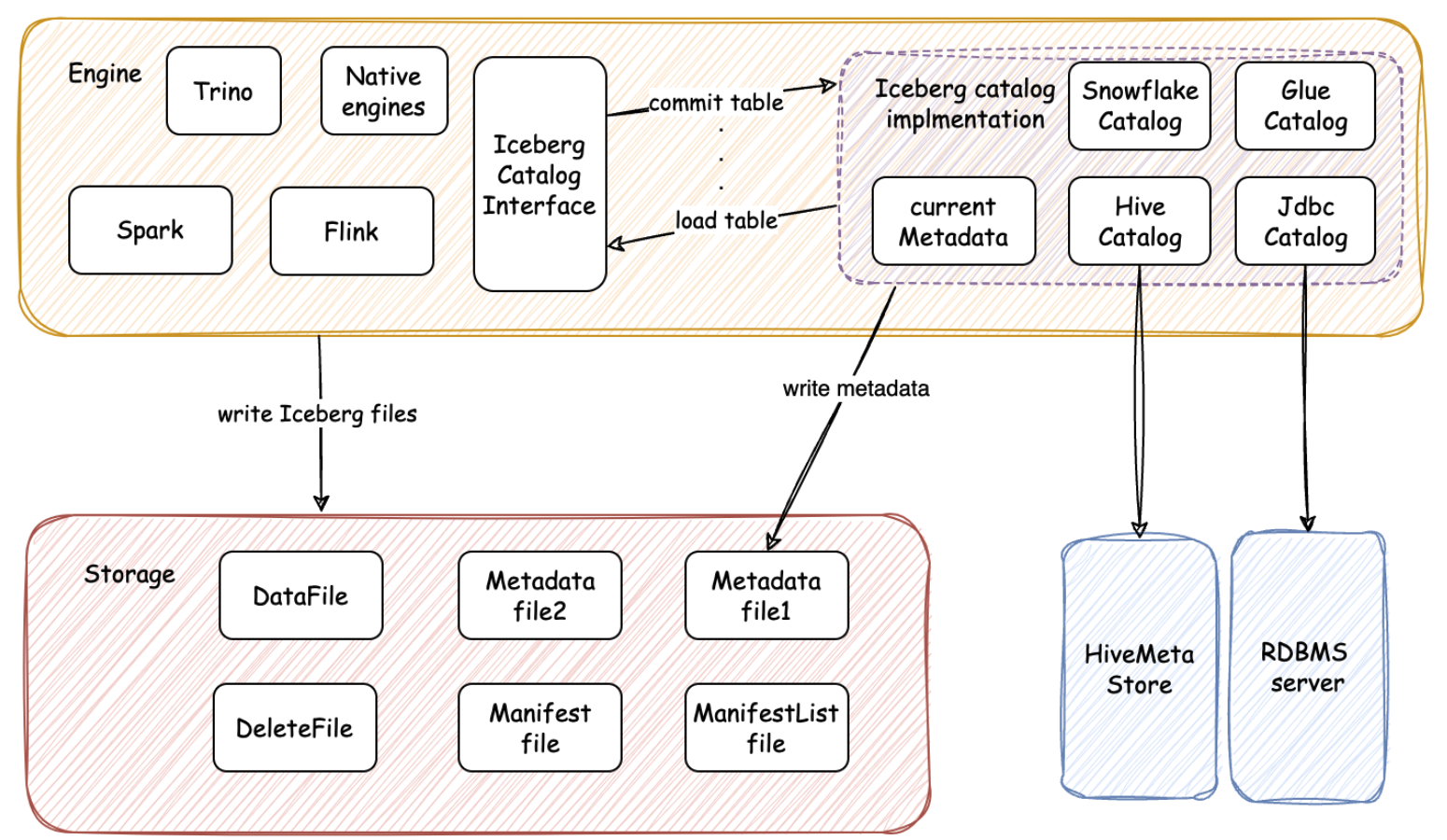
Gravitino NextGen REST Catalog for Iceberg, and Why You Need It
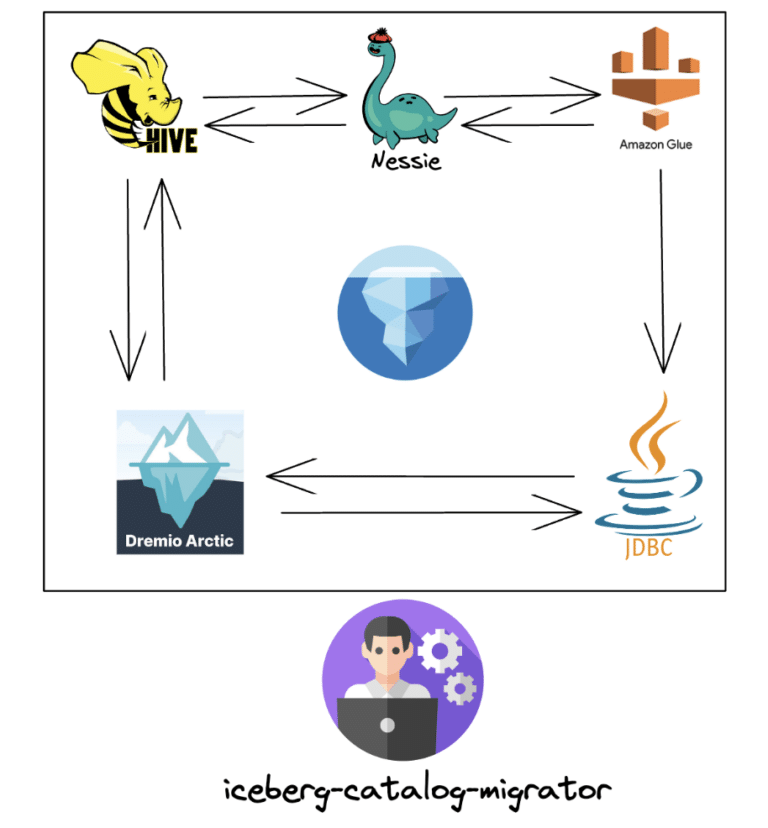
Introducing the Apache Iceberg Catalog Migration Tool Dremio

Introducing Polaris Catalog An Open Source Catalog for Apache Iceberg
Introducing the Apache Iceberg Catalog Migration Tool Dremio
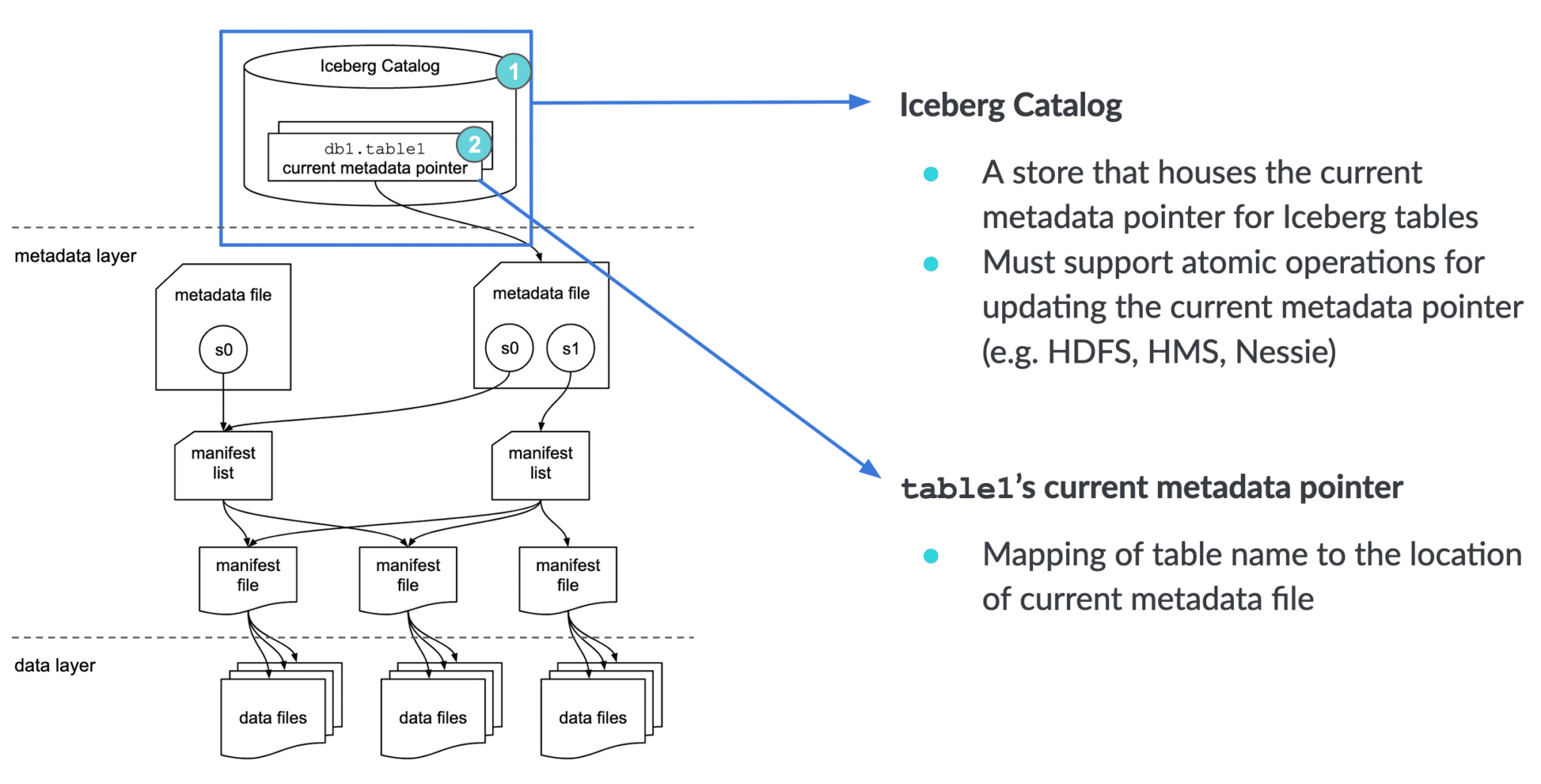
Apache Iceberg An Architectural Look Under the Covers
Understanding the Polaris Iceberg Catalog and Its Architecture

Flink + Iceberg + 对象存储,构建数据湖方案
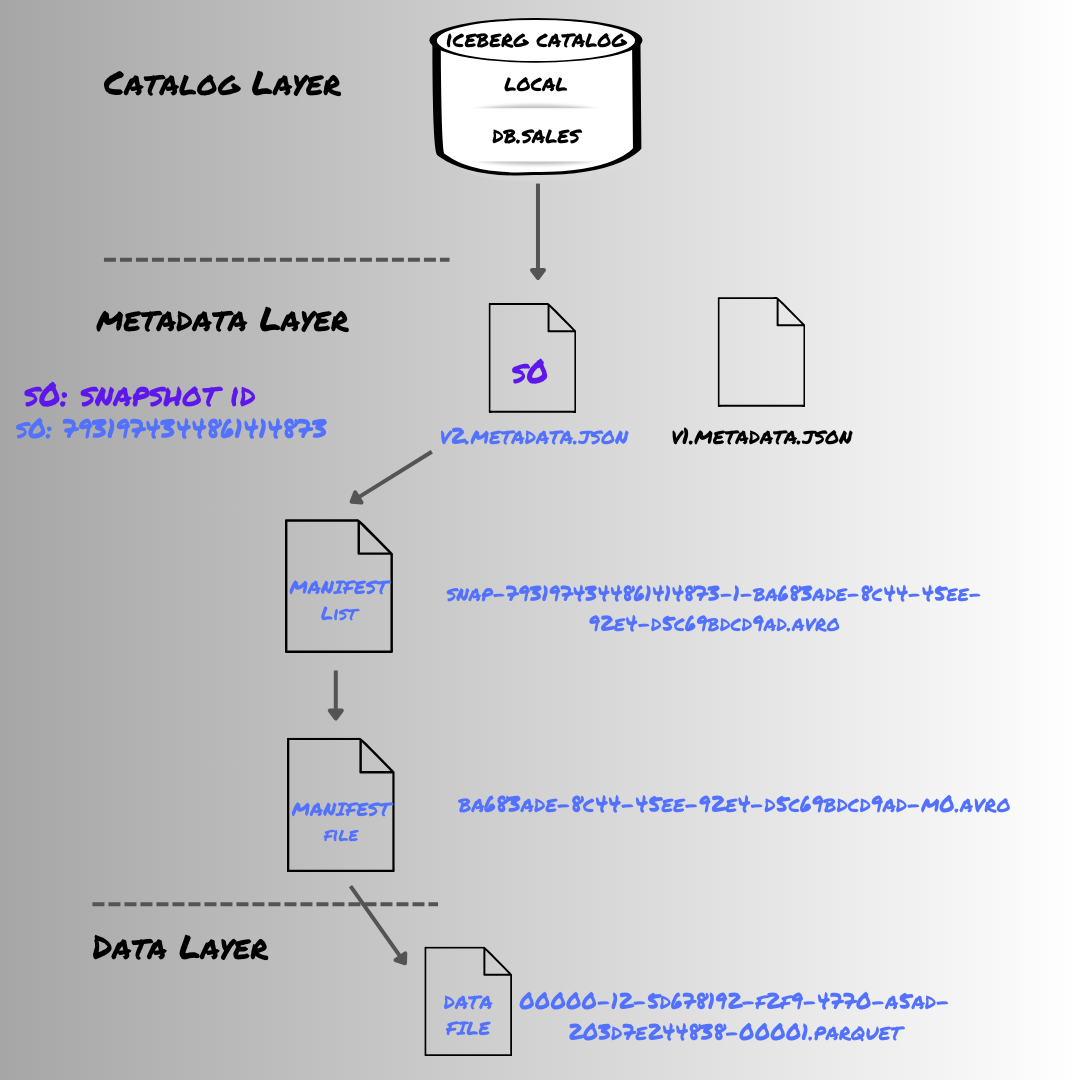
Apache Iceberg Architecture Demystified
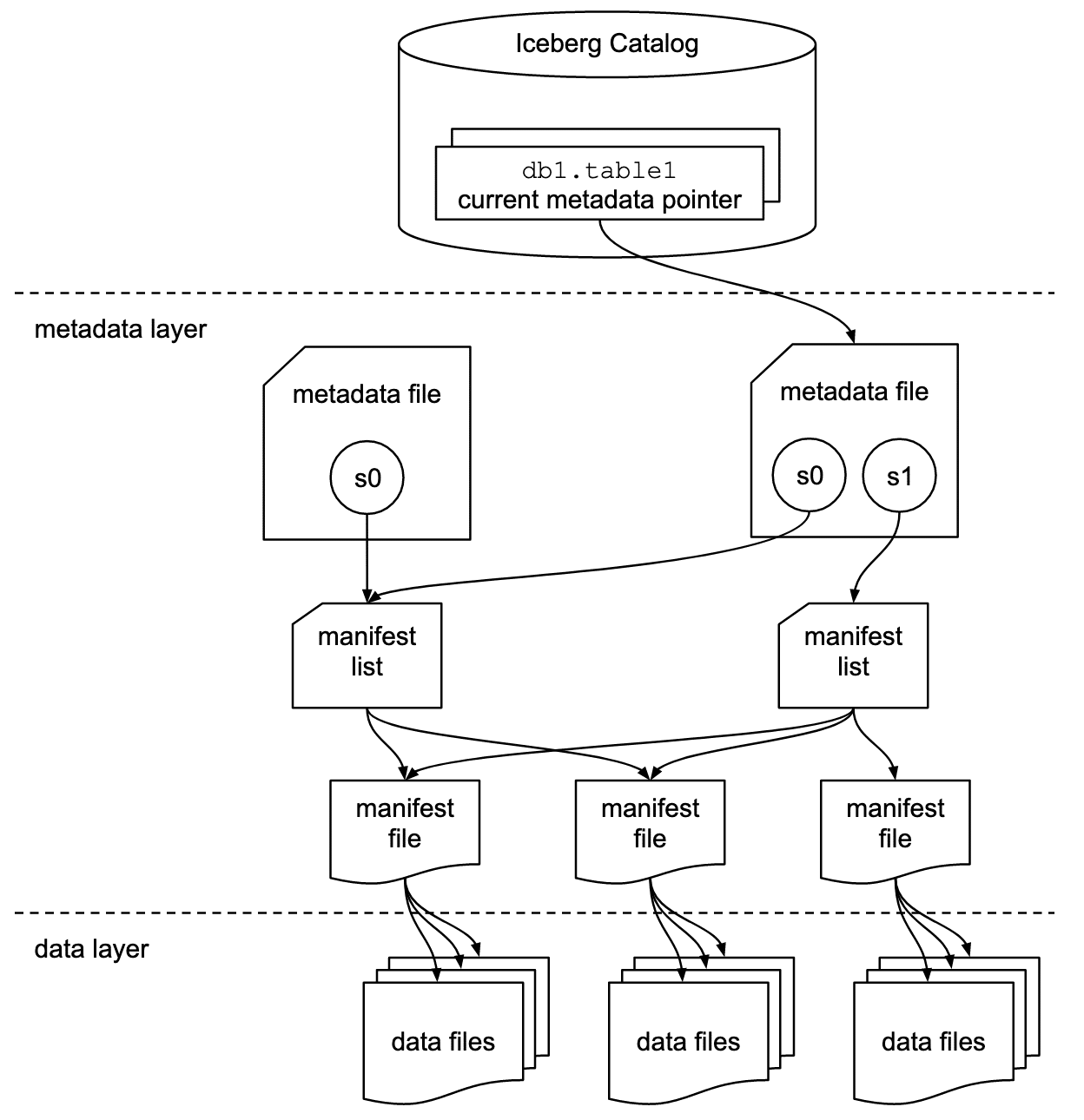
Apache Iceberg Frequently Asked Questions
Discover What An Iceberg Catalog Is, Its Role, Different Types, Challenges, And How To Choose And Configure The Right Catalog.
Clients Use A Standard Rest Api Interface To Communicate With The Catalog And To Create, Update And Delete Tables.
The Apache Iceberg Data Catalog Serves As The Central Repository For Managing Metadata Related To Iceberg Tables.
It Helps Track Table Names, Schemas, And Historical.
Related Post:
