
Database Catalog Example
Database Catalog Example - A modern data catalog is a tool used to organize, manage, and discover data assets within an organization. Here are four key ways a data catalog drives business value: However, these repositories go beyond. Accelerating insights, data projects, and ai. But what makes a data catalogue robust and efficient? A data catalog helps data users identify which data assets are available and provides relevant context about that data, allowing them to assess the data for use. The goal is to turn scattered data. A database catalog of a database instance consists of metadata in which definitions of database objects such as base tables, views (virtual tables), synonyms, value ranges, indexes, users, and user groups are stored. Data catalogs are similar to business directories in that they help users find business terms or connect to business glossaries. In this article, we will explore data cataloging, its features, benefits, implementation, and role of data cataloging. It’s a central repository that stores metadata about data assets, such as data sources, data. Roughly there are 4 main categories of data catalogs. Data catalogs help you organize and evaluate information about your data, including: In the python notebook above, you: What's more, the high value of metadata has made the data catalog the de facto control center for use cases like data governance, lineage, and data quality. [1][2] it is an architecture product that documents the database's content and data quality. The source and current location of the data 2. What is a data catalog? Accelerating insights, data projects, and ai. A database catalog of a database instance consists of metadata in which definitions of database objects such as base tables, views (virtual tables), synonyms, value ranges, indexes, users, and user groups are stored. Data catalogs are similar to business directories in that they help users find business terms or connect to business glossaries. However, these repositories go beyond. Earch and data discovery functions. Let’s explore these in depth, along with the relevant use cases and data catalog capabilities that support them. A data catalog is a central inventory of organizational data. Roughly there are 4 main categories of data catalogs. In the python notebook above, you: It’s a central repository that stores metadata about data assets, such as data sources, data. A good data catalog should provide users with the ability to quickly identify what types of data are available within the organization, where they are located, and who owns. What. The goal is to turn scattered data. What is a data catalog? Roughly there are 4 main categories of data catalogs. A modern data catalog is a tool used to organize, manage, and discover data assets within an organization. A database catalog of a database instance consists of metadata in which definitions of database objects such as base tables, views. A good data catalog should provide users with the ability to quickly identify what types of data are available within the organization, where they are located, and who owns. A modern data catalog is a tool used to organize, manage, and discover data assets within an organization. What is a data catalog? Data catalogs are similar to business directories in. Data catalogs are similar to business directories in that they help users find business terms or connect to business glossaries. Much like a library catalog that indexes books, a data catalog indexes an organization’s data assets and key information about them. Replace the catalog_uri, warehouse, and token variables with your values from sections 2 and 3 respectively. What is a. [1][2] it is an architecture product that documents the database's content and data quality. A data catalog is a detailed inventory of all data assets in an organization, designed to help data professionals quickly find the most appropriate data for any analytical or. It’s a central repository that stores metadata about data assets, such as data sources, data. Here are. Creating a proficient data catalog template involves considering several key factors. [1][2] it is an architecture product that documents the database's content and data quality. A good data catalog should provide users with the ability to quickly identify what types of data are available within the organization, where they are located, and who owns. Much like a library catalog that. Earch and data discovery functions. But what makes a data catalogue robust and efficient? It’s a central repository that stores metadata about data assets, such as data sources, data. A data catalog is a central inventory of organizational data. Data catalogs are similar to business directories in that they help users find business terms or connect to business glossaries. However, these repositories go beyond. Let’s explore these in depth, along with the relevant use cases and data catalog capabilities that support them. But what makes a data catalogue robust and efficient? It provides a comprehensive view of all data assets in an organization, including. A data catalog helps data users identify which data assets are available and provides relevant. [1][2] it is an architecture product that documents the database's content and data quality. In the python notebook above, you: Roughly there are 4 main categories of data catalogs. What is a data catalog? Much like a library catalog that indexes books, a data catalog indexes an organization’s data assets and key information about them. It’s a central repository that stores metadata about data assets, such as data sources, data. However, these repositories go beyond. The source and current location of the data 2. In this article, we will explore data cataloging, its features, benefits, implementation, and role of data cataloging. Replace the catalog_uri, warehouse, and token variables with your values from sections 2 and 3 respectively. A data catalog is a detailed inventory of all data assets in an organization, designed to help data professionals quickly find the most appropriate data for any analytical or. Much like a library catalog that indexes books, a data catalog indexes an organization’s data assets and key information about them. What is a data catalog? Earch and data discovery functions. [1][2] it is an architecture product that documents the database's content and data quality. But what makes a data catalogue robust and efficient? Data catalogs help you organize and evaluate information about your data, including: Let’s explore these in depth, along with the relevant use cases and data catalog capabilities that support them. What is a data catalog? A data catalog helps data users identify which data assets are available and provides relevant context about that data, allowing them to assess the data for use. A database catalog of a database instance consists of metadata in which definitions of database objects such as base tables, views (virtual tables), synonyms, value ranges, indexes, users, and user groups are stored.
Data Catalog PPT Presentation slides templates, Data, Catalog

What is a data catalog? LightsOnData
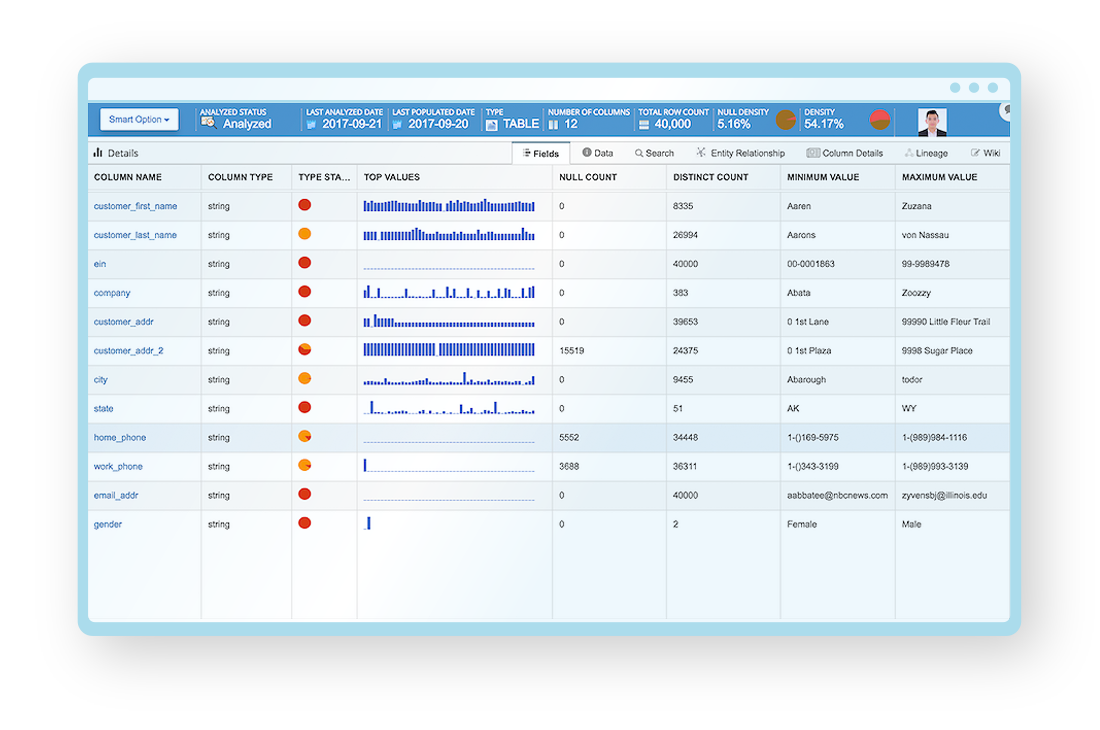
Build your data catalog quickly with this stepbystep guide
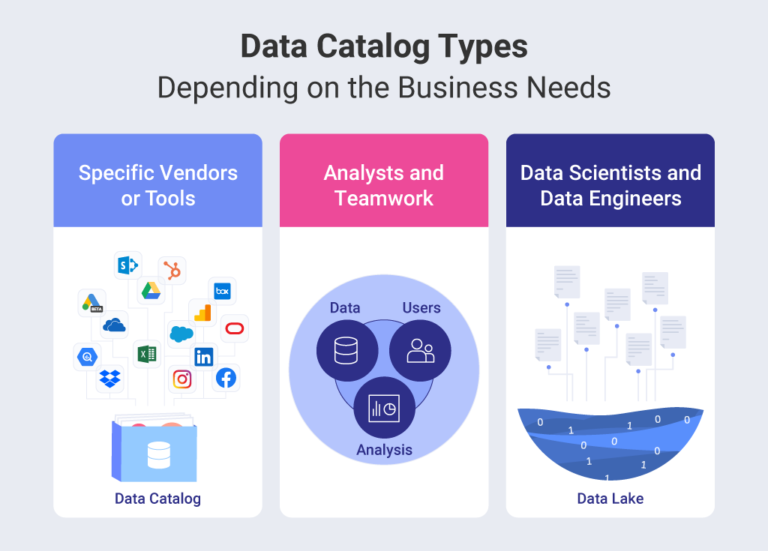
What Is A Data Catalog & Why Do You Need One?
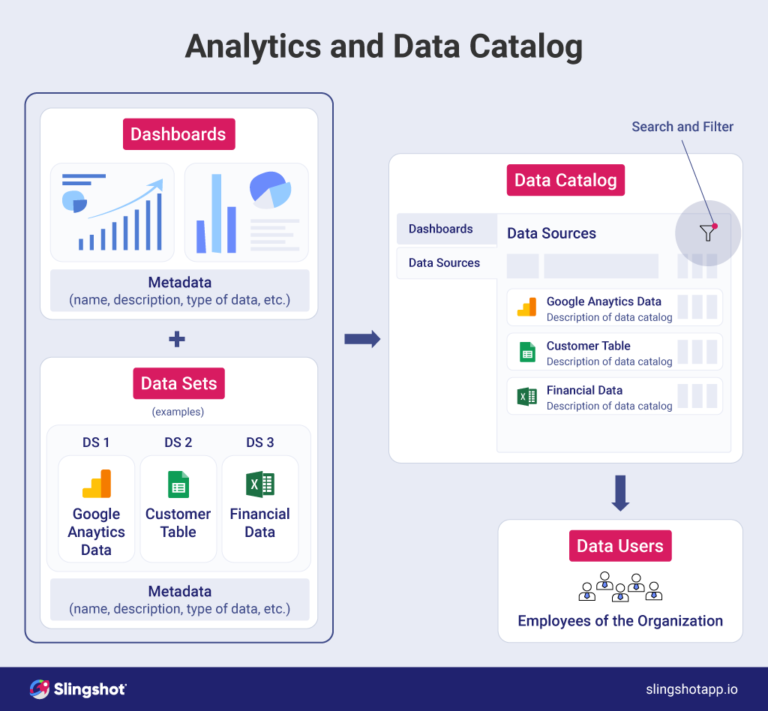
What Is A Data Catalog & Why Do You Need One?
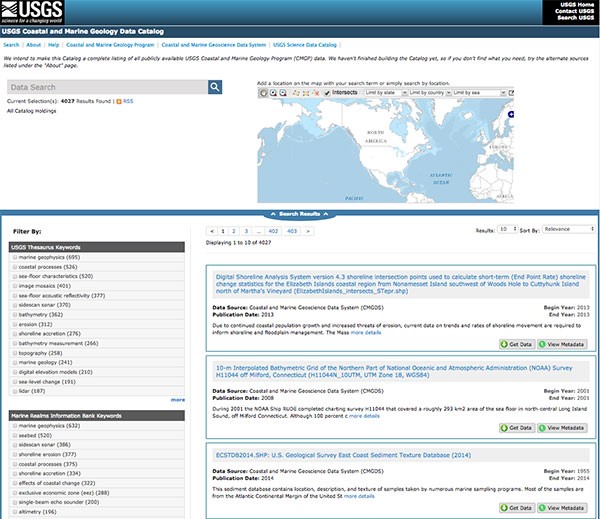
What Is a Data Catalog? DATAVERSITY
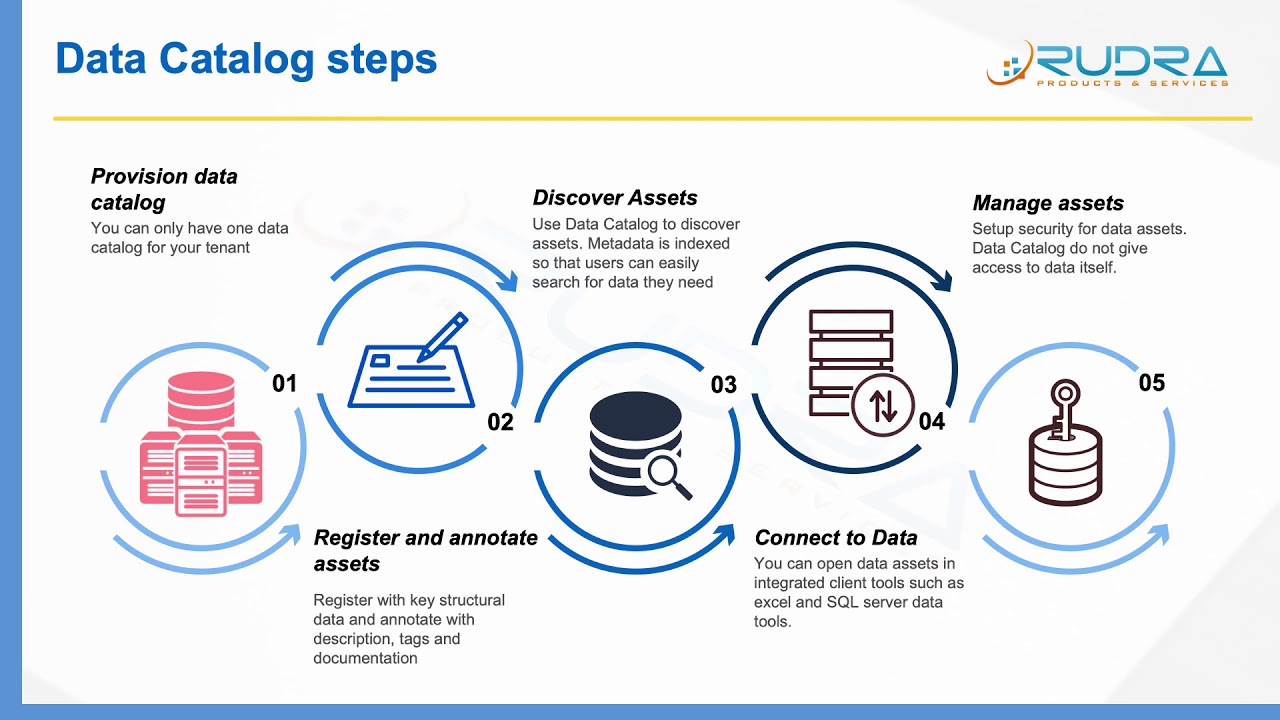
3 Reasons Why You Need a Data Catalog for Data Warehouse
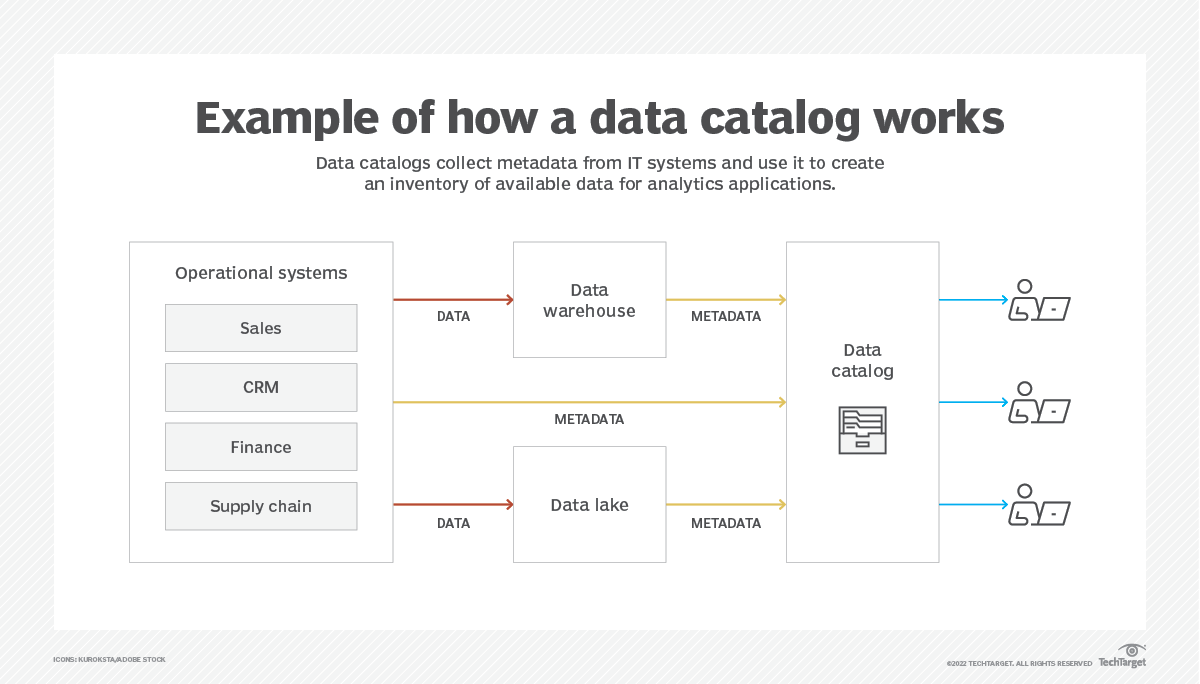
What is a Data Catalog? Uses, Benefits and Key Features TechTarget
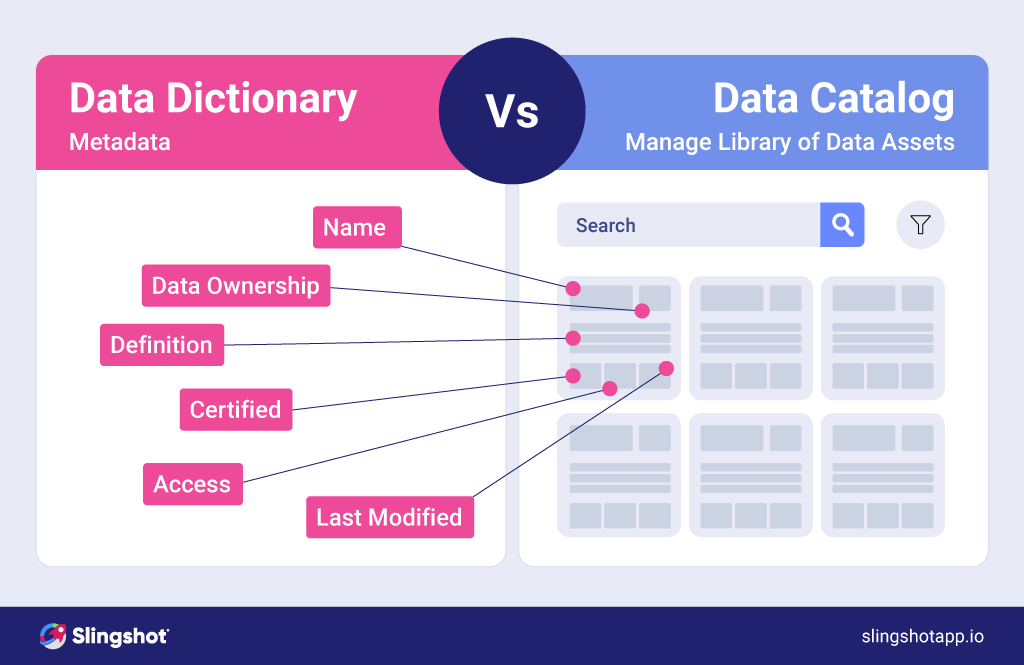
What Is A Data Catalog & Why Do You Need One?

Database schema for data catalog. Download Scientific Diagram
Creating A Proficient Data Catalog Template Involves Considering Several Key Factors.
A Good Data Catalog Should Provide Users With The Ability To Quickly Identify What Types Of Data Are Available Within The Organization, Where They Are Located, And Who Owns.
Here Are Four Key Ways A Data Catalog Drives Business Value:
The Goal Is To Turn Scattered Data.
Related Post: