
Card Catalog Number
Card Catalog Number - First established when the library began. Works registered before 1978 may be found only in the copyright office card catalog. The card catalog can provide you with quick access to records from specific collections, locations, and time periods. Learn to use call numbers and work with libraries to get what you need! This is known as centralized cataloging. The card catalog fills 385. The card catalog for books and printed materials is organized alphabetically by author. This guide discusses the origins, history, and continuing research value of the library of congress card catalog, the predecessor to the library's current online catalog. The library of congress prepared cards of bibliographic information for their library catalog and would sell duplicate sets of the cards to other libraries for use in their catalogs. The main card catalog, located in the main reading room, contains subject, author, title, and some other cards for most books cataloged by the library through 1980 (1978 for subject cards). The card catalog can provide you with quick access to records from specific collections, locations, and time periods. The main card catalog, located adjacent to the main reading room on the first floor of the jefferson building, contains subject, author, title, and some other cards for most books. This page contains a detailed explanation of the lc control number and its prefixes. We'll submit a copy of your book to the library of. The growth of the online public access catalog (opac) and sharing among institutions has added variety to the kinds of library call numbers you may encounter. The library of congress number is used by the united states' central library to track submissions for the library's permanent collection. It’s most useful when you’re looking for a certain record and want. When no author is known, cards are organized by title. It also provides sample cards and activities to familiarize students with using the card. The card catalog is organized alphabetically to allow users to find materials by author, title or topic. The library of congress number is used by the united states' central library to track submissions for the library's permanent collection. The main card catalog, located in the main reading room, contains subject, author, title, and some other cards for most books cataloged by the library through 1980 (1978 for subject cards). This is known as centralized cataloging. Library of. Card catalogs are handy references to know how to use to find a book. This guide discusses the origins, history, and continuing research value of the library of congress card catalog, the predecessor to the library's current online catalog. All copyright registration numbers must have a total of 12. To execute the filters, click on. When no author is known,. The main card catalog, located in the main reading room, contains subject, author, title, and some other cards for most books cataloged by the library through 1980 (1978 for subject cards). To execute the filters, click on. Each set of cards wa… This is known as centralized cataloging. Go to the nonfiction section if the record starts with numbers,. It’s most useful when you’re looking for a certain record and want. Card ids are assigned to each card within a drawer starting from the front of the. The card catalog is organized alphabetically to allow users to find materials by author, title or topic. The card catalog can provide you with quick access to records from specific collections, locations,. A card catalog is, simply, a set of index cards1 that record bibliographic information about the books in a collection—author, title, publisher/publication date, subject, and call. This guide discusses the origins, history, and continuing research value of the library of congress card catalog, the predecessor to the library's current online catalog. This faq will help you identify. When no author. This guide discusses the origins, history, and continuing research value of the library of congress card catalog, the predecessor to the library's current online catalog. The main card catalog, located adjacent to the main reading room on the first floor of the jefferson building, contains subject, author, title, and some other cards for most books. The growth of the online. This guide discusses the origins, history, and continuing research value of the library of congress card catalog, the predecessor to the library's current online catalog. The main card catalog, located in the main reading room, contains subject, author, title, and some other cards for most books cataloged by the library through 1980 (1978 for subject cards). The card catalog for. This guide discusses the origins, history, and continuing research value of the library of congress card catalog, the predecessor to the library's current online catalog. It also includes discussion and comparison about the lccn structure a and the. This faq will help you identify. The card catalog fills 385. The growth of the online public access catalog (opac) and sharing. Card catalogs are handy references to know how to use to find a book. The card catalog can provide you with quick access to records from specific collections, locations, and time periods. The library of congress number is used by the united states' central library to track submissions for the library's permanent collection. It’s most useful when you’re looking for. When no author is known, cards are organized by title. The main card catalog, located adjacent to the main reading room on the first floor of the jefferson building, contains subject, author, title, and some other cards for most books. The lccn numbering system has been in use since 1898, at which time the acronym lccn originally stood for library. Card catalogs are handy references to know how to use to find a book. Library of congress control numbers (lccns) are record identifiers assigned by the library of congress to bibliographic and authority records. We'll submit a copy of your book to the library of. Card ids are assigned to each card within a drawer starting from the front of the. Works registered before 1978 may be found only in the copyright office card catalog. To execute the filters, click on. It also provides sample cards and activities to familiarize students with using the card. It also includes discussion and comparison about the lccn structure a and the. First established when the library began. All copyright registration numbers must have a total of 12. This guide discusses the origins, history, and continuing research value of the library of congress card catalog, the predecessor to the library's current online catalog. On the card catalog page, there are two independent sets of numbers associated with the card images. The lccn numbering system has been in use since 1898, at which time the acronym lccn originally stood for library of congress card number. The card catalog for books and printed materials is organized alphabetically by author. The main card catalog, located in the main reading room, contains subject, author, title, and some other cards for most books cataloged by the library through 1980 (1978 for subject cards). Learn to use call numbers and work with libraries to get what you need!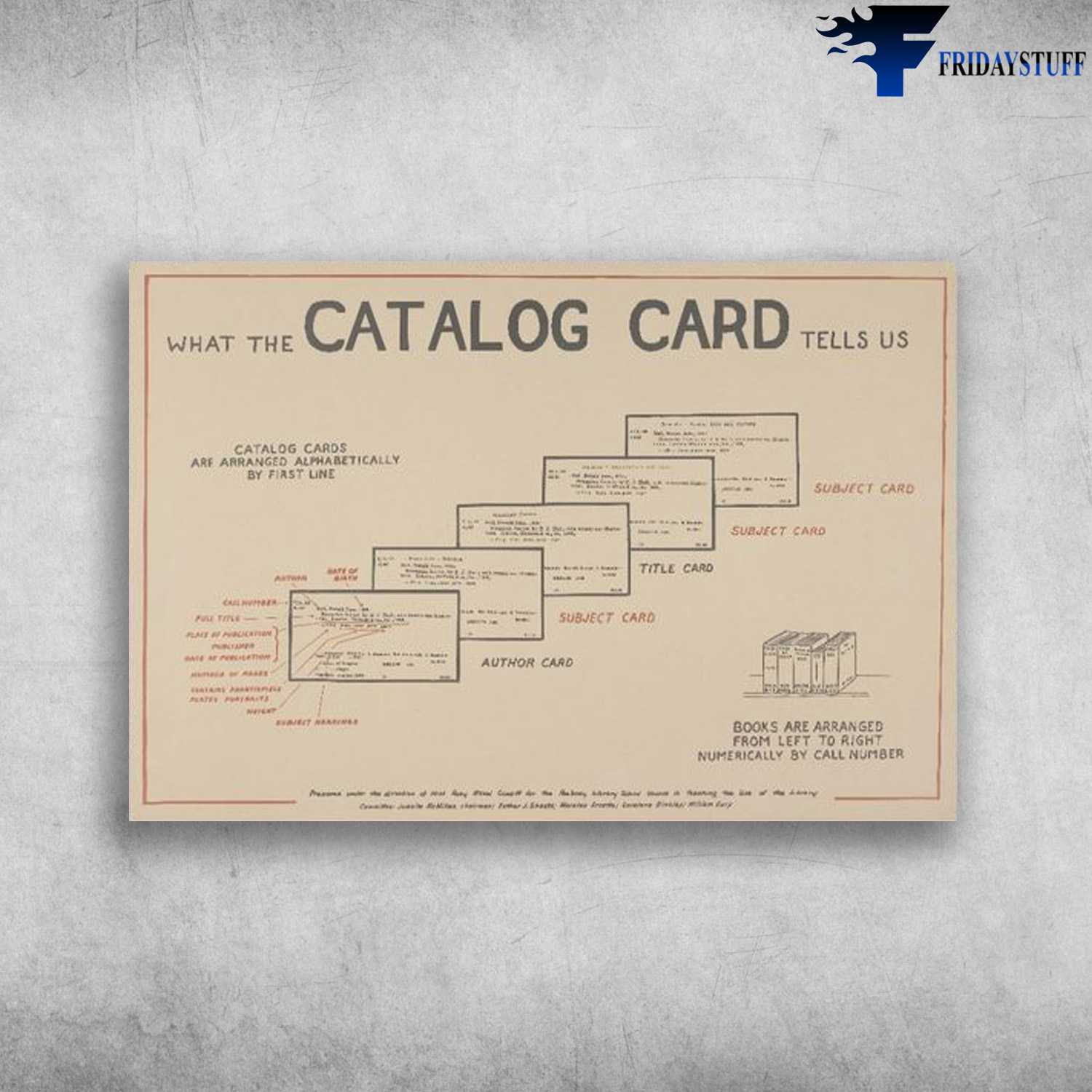
What Is A Card Catalog Examples at Marjorie Hiller blog
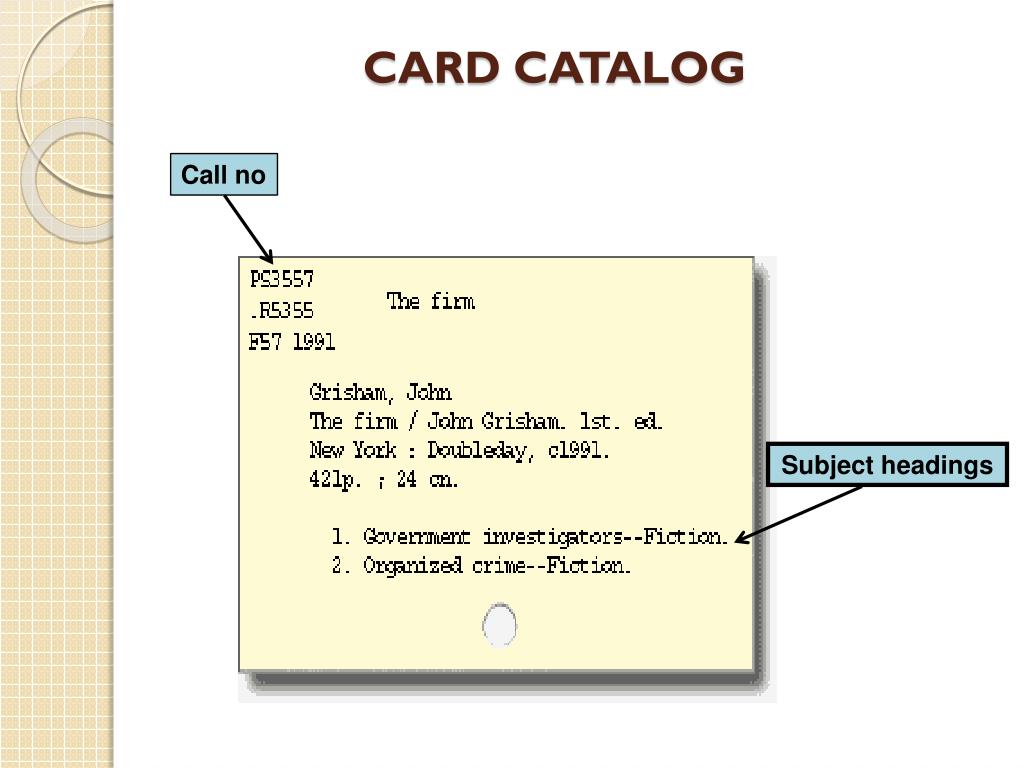
PPT CATALOGING PowerPoint Presentation, free download ID7066947

Call Number In Card Catalog at Carl Richardson blog

Call Number In Card Catalog at Carl Richardson blog
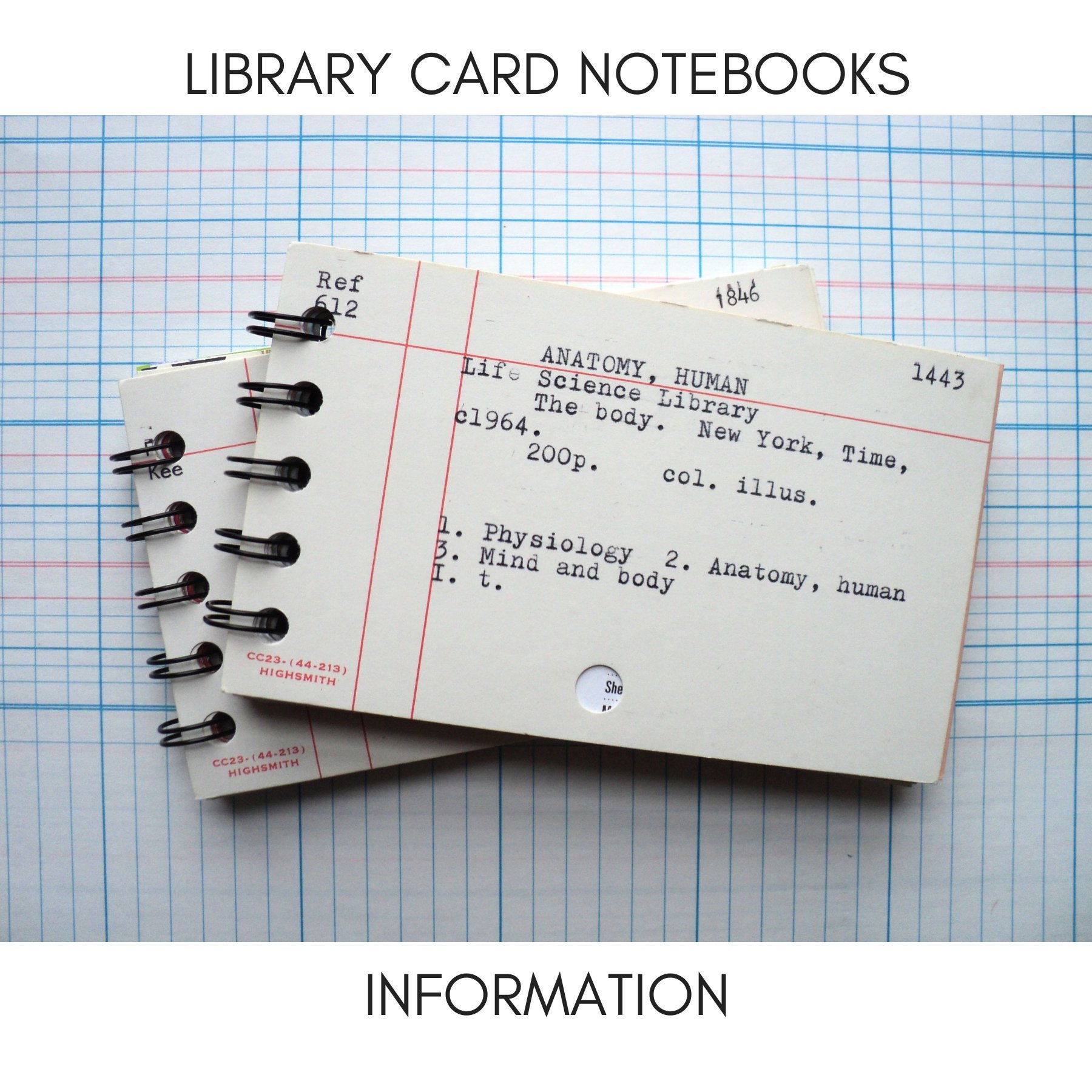
INFO LISTING ONLY Library Card Catalog Notebook Please do Etsy

Do you remember how to use a card catalog system? Library card

Title Card Catalog Example
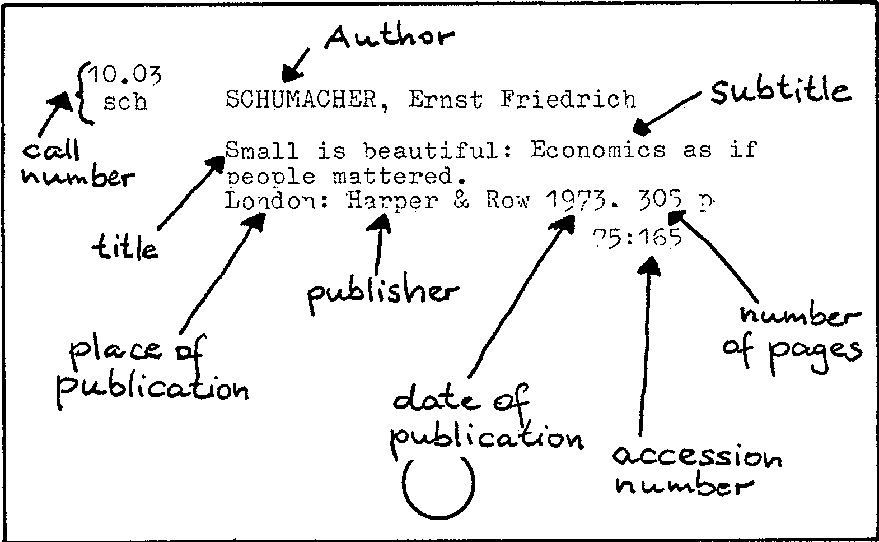
Library Card Catalog System at Mercedes Baker blog
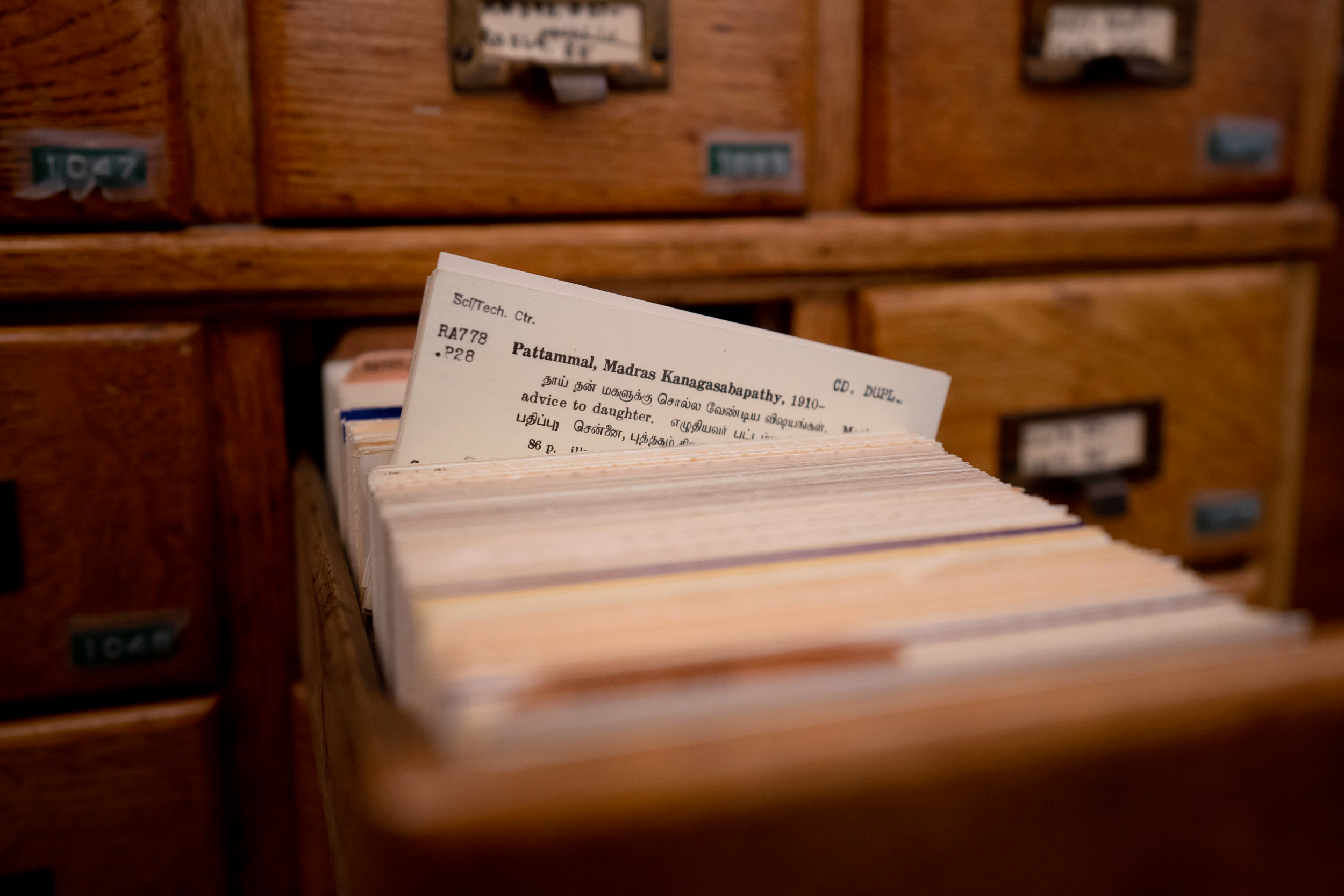
What Are The Parts In Card Catalog at Grace Lai blog

card catalog Flemington Free Public Library
Go To The Nonfiction Section If The Record Starts With Numbers,.
The Card Catalog Can Provide You With Quick Access To Records From Specific Collections, Locations, And Time Periods.
When No Author Is Known, Cards Are Organized By Title.
A Card Catalog Is, Simply, A Set Of Index Cards1 That Record Bibliographic Information About The Books In A Collection—Author, Title, Publisher/Publication Date, Subject, And Call.
Related Post: